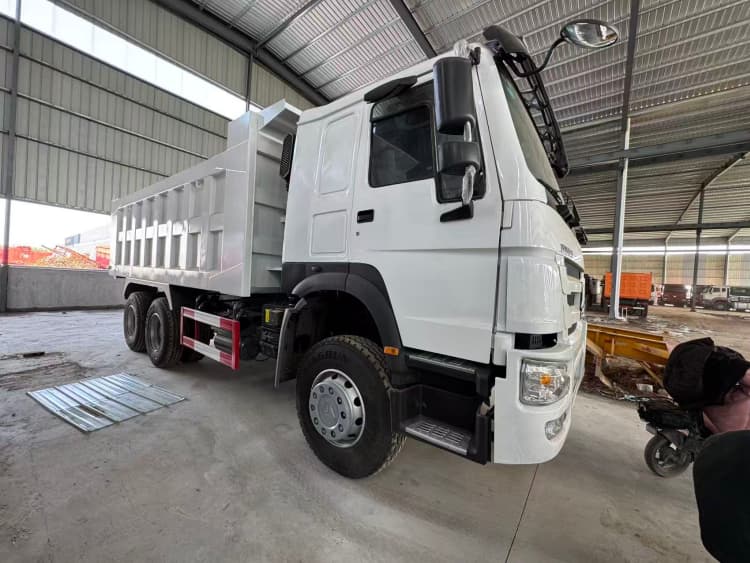
Standard Remanufacturing Lowers TCO: The Core Reason Fleet Operators Make The Switch
Introduction
Fleet operators judge equipment value not only by the sticker price, but by the full total cost of ownership, or TCO. TCO covers far more than the initial purchase; it includes fuel consumption, scheduled maintenance, unexpected repair bills, downtime losses, insurance, depreciation and eventual resale value. Many buyers are drawn to low-priced used or casually rebuilt trucks, only to face cascading breakdowns and soaring running costs soon after putting them into service.
Standard remanufacturing from REMAN ROAD is built specifically to stabilise and reduce this full lifecycle cost. It has become the primary driver pushing fleet managers away from risky informal rebuilds and toward certified reman trucks.
Lower Initial Capital Outlay Without Sacrificing Core Performance
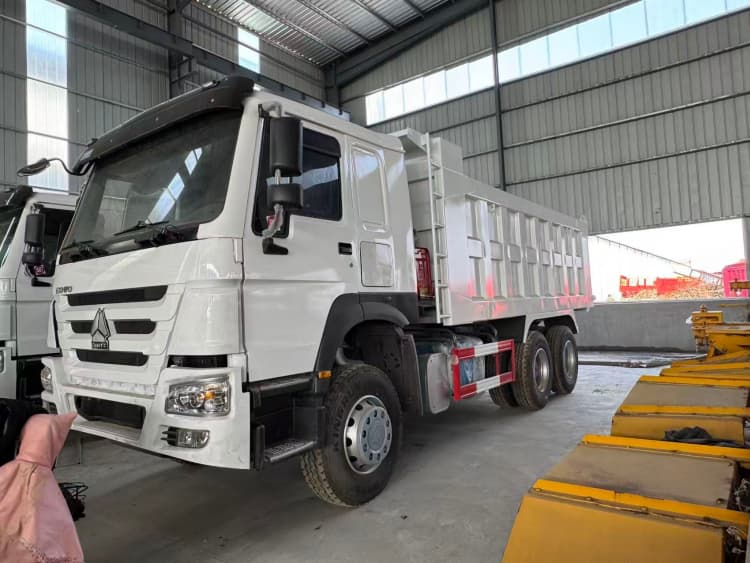
The first TCO advantage sits at the point of acquisition. Certified reman trucks carries a much lower purchase price than an equivalent brand-new unit. This reduces upfront capital expenditure and eases pressure on fleet cash flow.
Unlike cheap uncertified rebuilt trucks that cut corners on inspection and part replacement, REMAN ROAD certified reman trucks follow a fixed industrial truck reman workflow. They are restored to OEM performance benchmarks and pass mandatory functional testing. Operators avoid the trade-off between budget and productivity, which is one of the most attractive financial advantages for growing and asset-sensitive fleets.
Reduced Unplanned Downtime and Its Associated Revenue Loss
Downtime is often the single largest hidden cost for heavy fleets. A sudden breakdown stops hauling operations, delays project schedules and triggers emergency service fees, overtime and rental replacement equipment.
Standard remanufacturing eliminates many root causes of unexpected failure. Full disassembly, NDT screening, scrapping of fatigued components and mandatory renewal of all high-cycle wear items remove latent defects before the truck enters service. While no vehicle can be completely failure-free, certified reman trucks deliver far more predictable uptime. Stable operation directly protects the steady revenue stream that fleets depend on.
Predictable Maintenance Cycles and Fewer Emergency Repairs
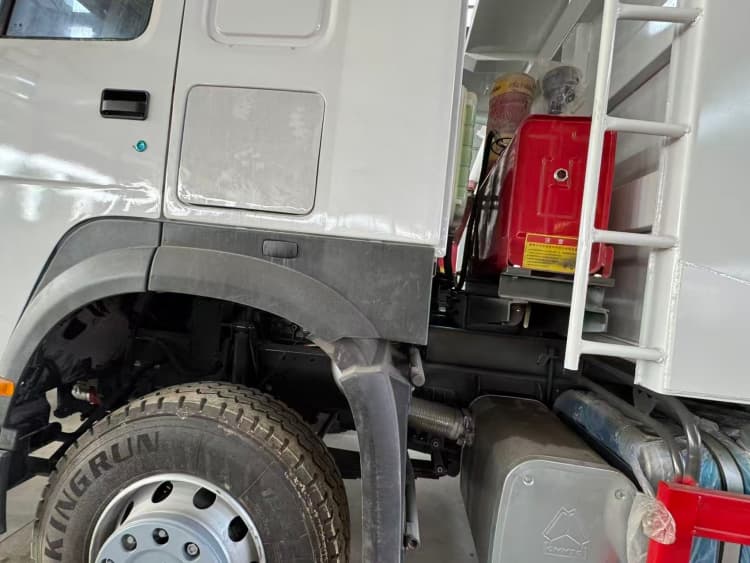
Trucks from informal rebuilds have inconsistent maintenance needs. Hidden wear means faults appear randomly, making service scheduling difficult. Standard remanufacturing resets the wear cycle systematically. Every seal, bearing, friction liner and consumable part is replaced according to rules, rather than only when it breaks.
Service intervals become predictable, allowing fleet teams to plan routine maintenance during scheduled off-hours instead of reacting to roadside failures. Planned maintenance is substantially cheaper than emergency repairs and extends the usable service window of each asset.
Controlled Depreciation and Better Residual Value
Brand-new heavy trucks depreciate sharply in their first years of operation. Certified reman trucks enter the fleet with a much gentler depreciation curve. Additionally, the formal quality certificate and complete traceability records preserve residual value.
When the fleet decides to reallocate or resell the truck later, buyers can verify its industrial truck reman workflow process, test history and warranty status. Documented certified reman trucks command higher resale prices than undocumented rebuilt or second-hand trucks, improving the final return at the end of the holding cycle.
Sustainability Benefits Add Long-Term ESG and Regulatory Value
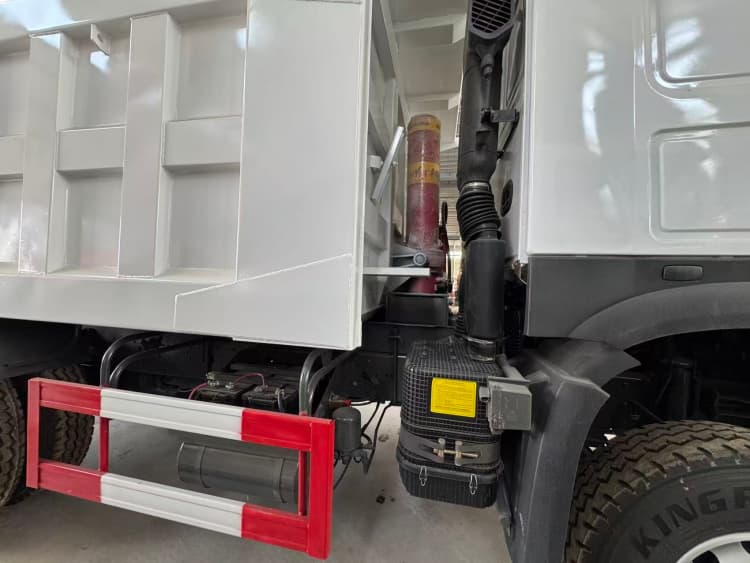
While not always counted directly in traditional TCO spreadsheets, circular economy benefits create indirect financial advantages. Certified standard remanufacturing cuts embodied carbon by reusing high-value core structures and castings.
For fleets required to report ESG performance, bid for green-focused contracts or meet local low-emission and waste-reduction rules, certified reman trucks support compliance. This can unlock tender opportunities, avoid carbon-related penalties and strengthen the operator’s reputation with clients, creating long-term commercial value beyond pure mechanical cost savings.
Conclusion
Standard remanufacturing lowers TCO through a combination of lower entry cost, fewer disruptive breakdowns, predictable maintenance and better residual value. It is not simply a “cheaper truck option”; it is a structured strategy to bring stability to fleet finance. For fleet operators, the switch to REMAN ROAD certified reman trucks is ultimately a financial decision: to secure reliable, productive assets while keeping total lifecycle expenditure firmly under control.