Industrial Reman: Balance Near-New Performance And Reasonable Purchase Cost
Introduction
Fleet buyers have long faced a stubborn trade-off: either pay premium pricing for brand-new heavy trucks with guaranteed OEM performance, or settle for low-cost used, repaired or refurbished units with unpredictable reliability. Industrial certified remanufacturing breaks this compromise.
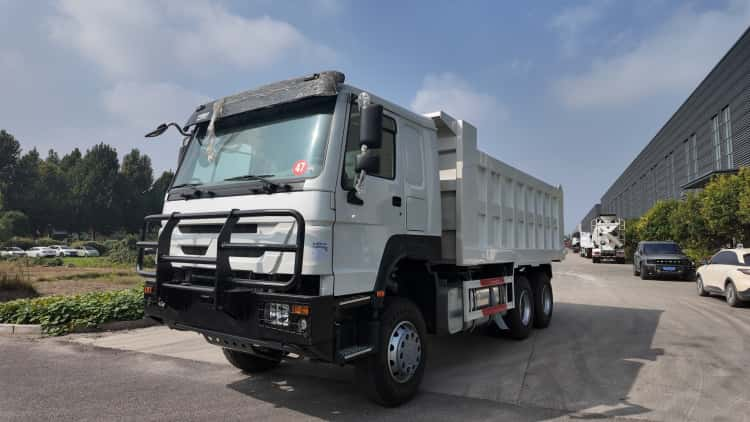
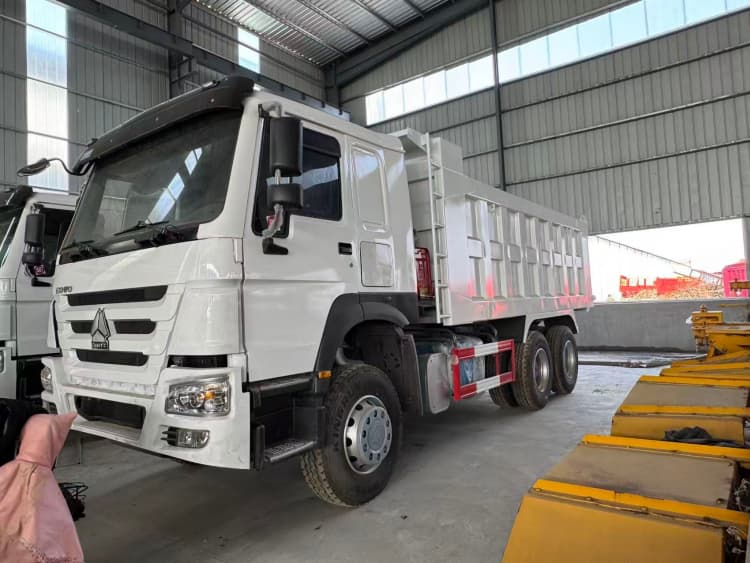
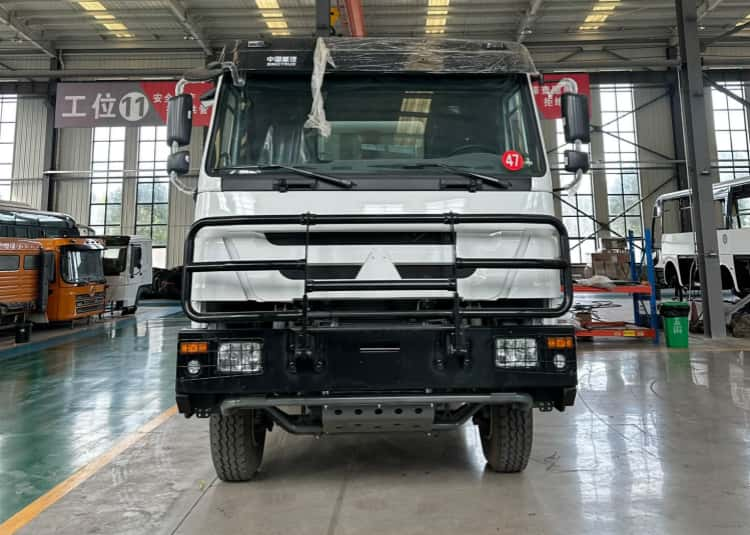
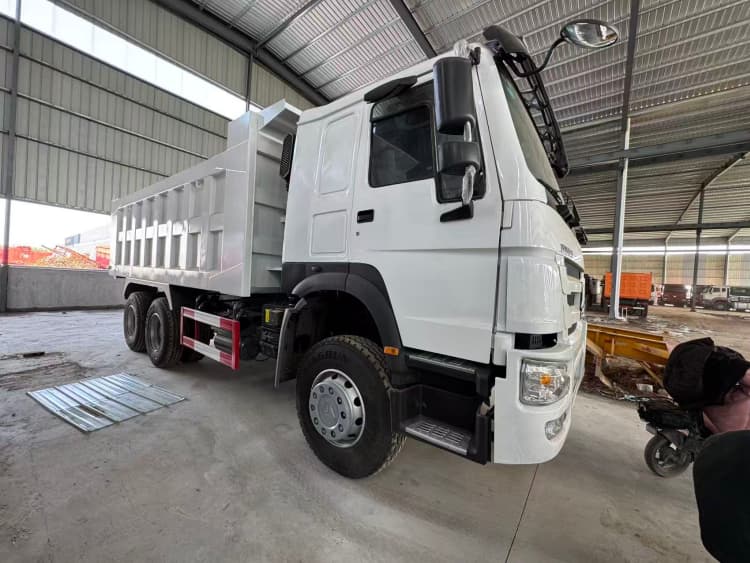
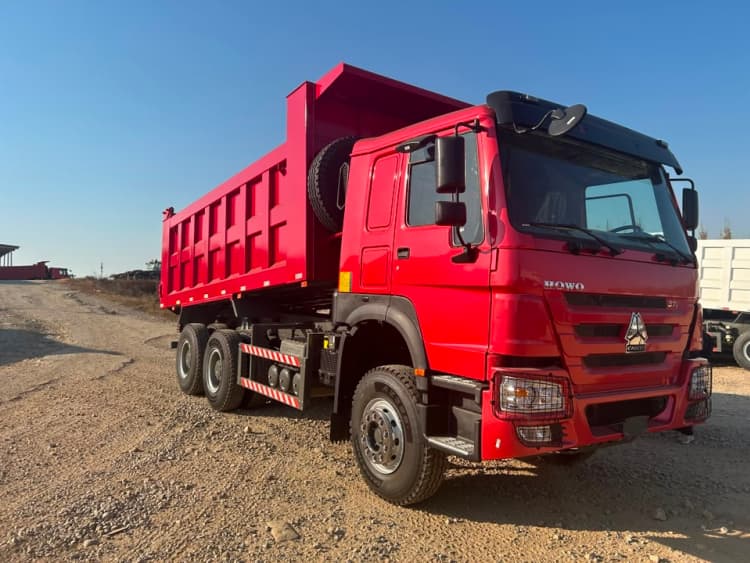
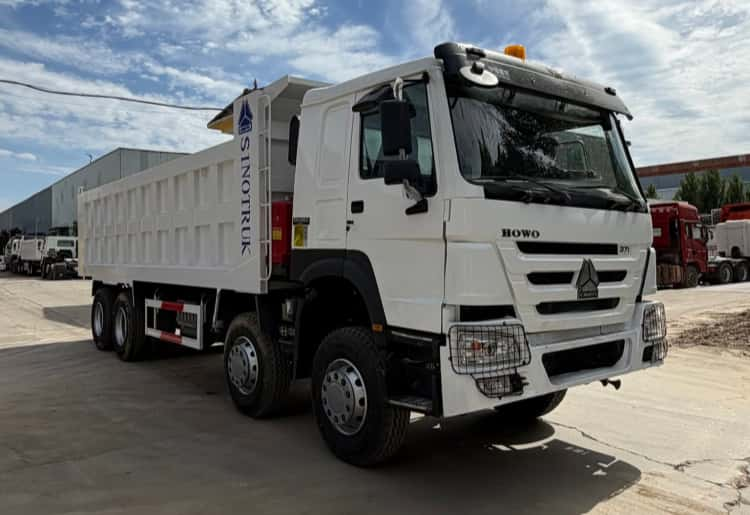
At REMAN ROAD, our industrial reman process is built around this core value proposition: to deliver heavy trucks restored to near-new operational benchmarks, while keeping the purchase cost far below factory-new levels. This balanced positioning makes industrial remanufacturing a compelling middle path for fleets that refuse to choose between performance and budget.
The Traditional Fleet Trade-Off: New Performance or Low Price
For decades, the equipment market offered only two extreme options. Brand-new trucks deliver consistent power, braking stability, reliable hydraulic performance and clear compliance documentation, yet they require huge upfront capital and trigger steep initial depreciation.
On the other side, lightly rebuilt or second-hand trucks carry attractive sticker prices, but they carry hidden fatigue, partial wear-part reuse and incomplete inspection. They often fail quickly under continuous heavy workloads, turning the initial savings into costly emergency repairs and production losses. Industrial remanufacturing is designed specifically to resolve this painful dilemma.
Near-New Performance Rooted in Industrial Reman Process
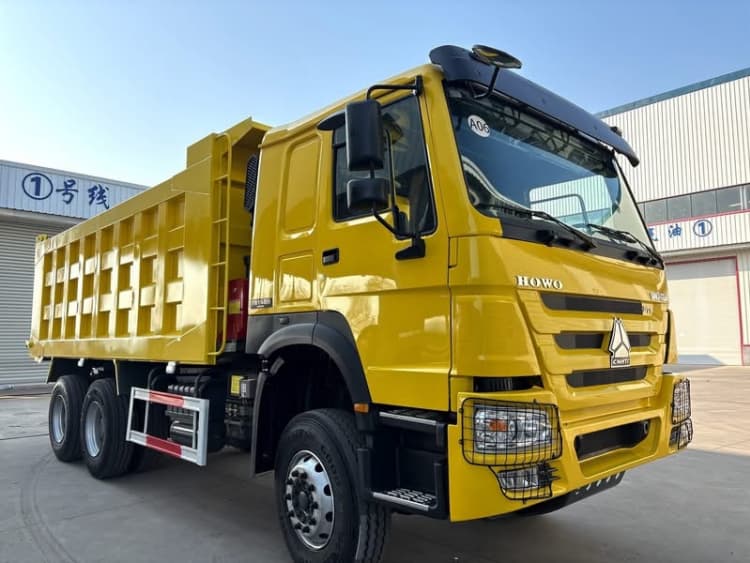
“Near-new performance” is not an empty marketing claim. It means the finished truck meets published OEM design specifications for core operating metrics, including power, torque, braking response, load capacity and system stability. To reach this industrial remanufacturing standard, every certified industrial reman trucks undergoes full disassembly, industrial cleaning, precision dimensional checks and mandatory NDT screening.
Fatigued or out-of-tolerance components are scrapped, all high-cycle wear consumables are replaced, and the truck passes dynamometer, cyclic and simulated load testing before certification. Every critical system is reset, so the industrial reman trucks performs to the same operational standard expected from a new equivalent model during daily hauling tasks.
Reasonable Pricing Comes From Reusing Qualified High-Value Cores
The favourable price point of industrial remanufacturing does not come from cutting technical corners. The cost saving mainly comes from retaining structurally sound, high-value core assets such as chassis frames, major castings and axle housings. These components retain their integrity after strict inspection and NDT validation and do not need to be cast, forged and machined from raw ore and steel again.
The elimination of raw material manufacturing and original factory assembly overhead creates meaningful cost reduction. Those savings are passed directly to fleet buyers, without sacrificing the rigorous inspection, restoration and testing rules that define genuine industrial remanufacturing.
This Balance Separates Industrial Reman From Low-Quality Rebuilds
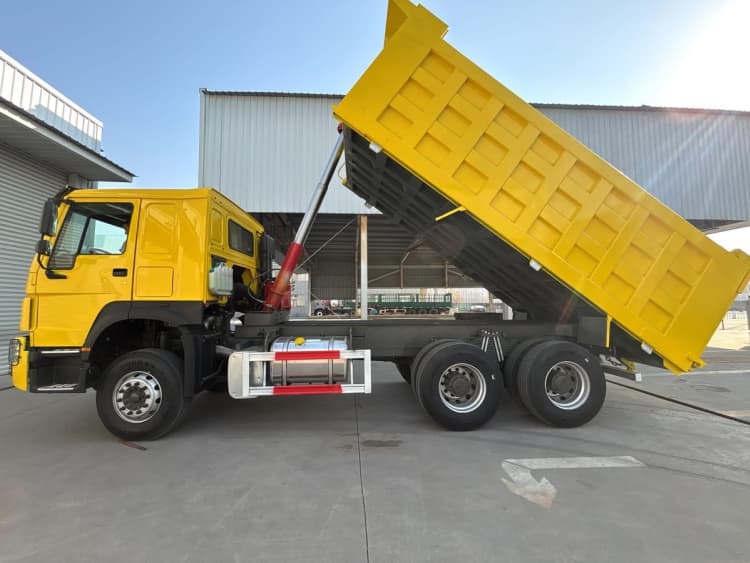
It is vital to distinguish industrial reman process from cheap informal rebuilds. Many low-budget rebuilds also advertise low prices, but they skip full teardown, skip NDT, reuse aged seals and bearings, and only perform minimal testing. They may look clean and run fine on a short test drive, yet they cannot sustain near-new performance over long working cycles.
REMAN ROAD industrial remanufacturing’s balance is intentional and auditable: the price is controlled, but every quality checkpoint remains fully enforced. The value is stable rather than a temporary illusion.
Long-Term TCO Benefits Reinforce the Value Balance
The advantage of matching near-new performance with reasonable purchase price extends beyond the day of purchase. Because the truck’s performance envelope matches new benchmarks, productivity stays high and fleet output does not drop.
At the same time, the lower entry price protects working capital, reduces financing pressure and allows faster fleet scaling. Paired with formal traceability records and warranty coverage, the asset maintains better residual value than undocumented rebuilt trucks. The balanced value works across the whole lifecycle, not just at the point of acquisition.
Conclusion
Industrial remanufacturing creates a valuable sweet spot for heavy fleets. It discards the old forced choice between top-tier performance and affordable pricing. REMAN ROAD industrial reman trucks leverage durable verified cores and strict industrial standards to deliver near-new operational capability at a reasonable purchase cost.
For fleet operators, this industrial reman trucks balanced solution means stable productivity, controlled capital spending and fewer compromises when renewing or expanding their vehicle fleet.