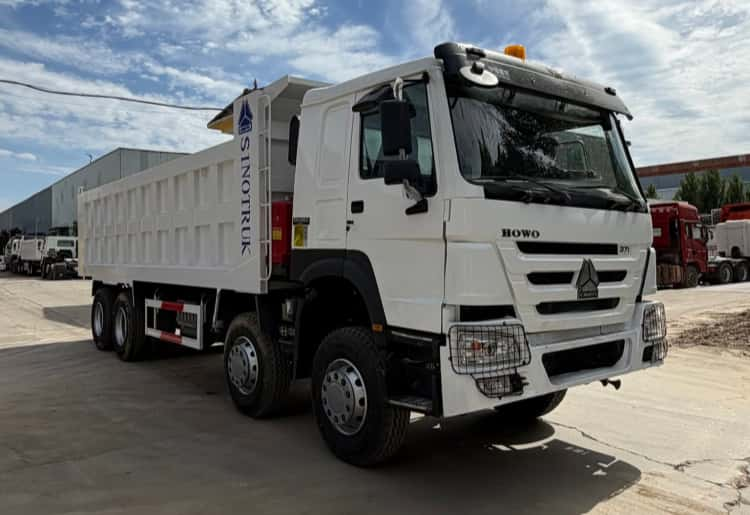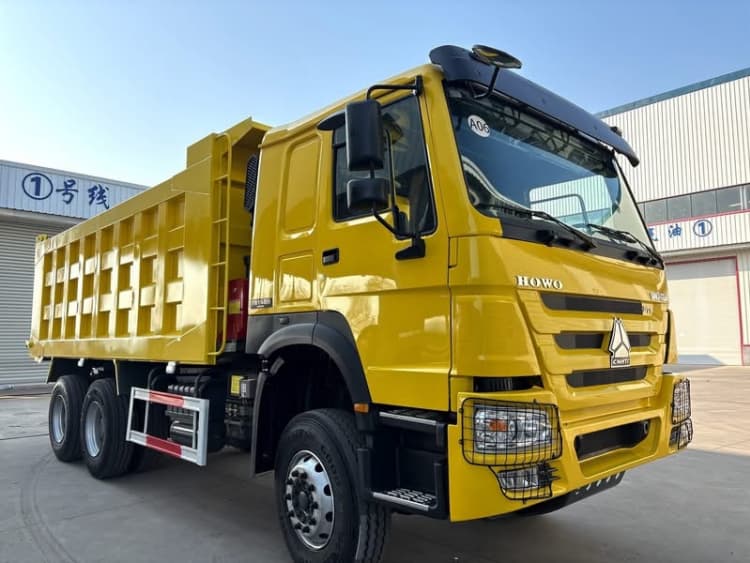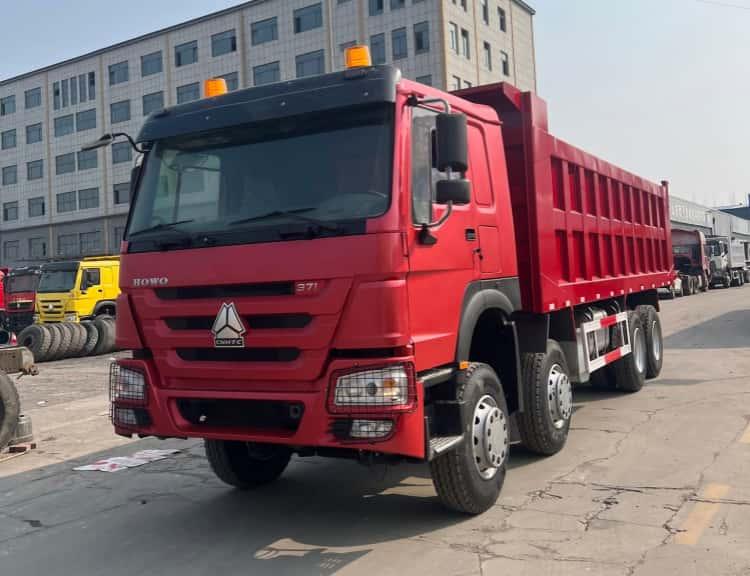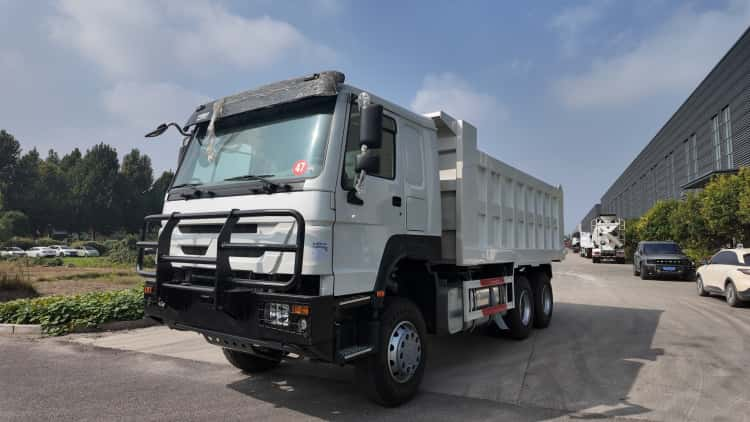
Why Reman Trucks Delivers Better Reliability Than Refurbished Trucks?
Introduction
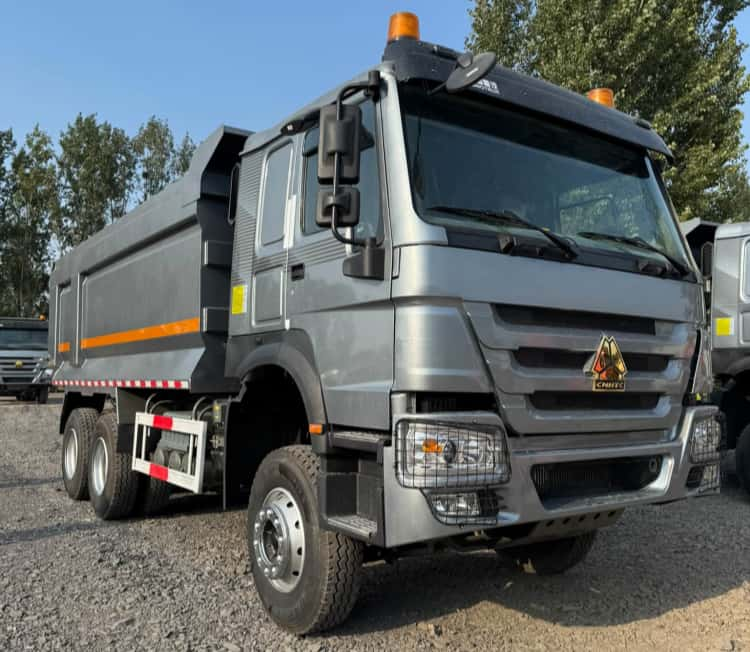
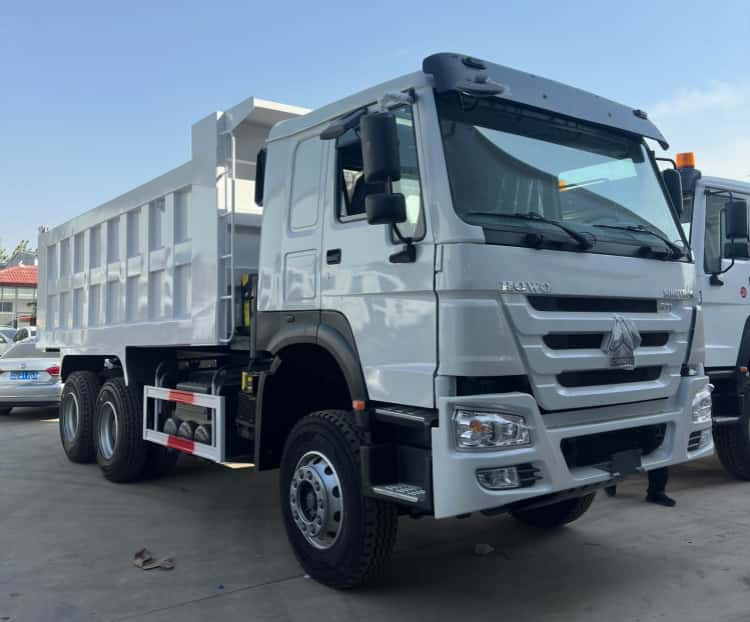
Fleet buyers often confuse reman trucks with refurbished trucks, assuming both options offer similar dependability at a reduced price. On the surface, both types of rebuilt vehicles can run and may look clean after cleaning and repainting. However, reliability diverges sharply over time.
Refurbishment focuses on restoring basic function and visual appearance, while standard reman trucks follows a complete, standardised industrial truck reman process designed to reset the asset’s usable life. REMAN ROAD standard reman trucks outperform refurbished alternatives in long-term reliability because every quality control checkpoint is enforced systematically, eliminating hidden failure risks that refurbishment routinely leaves behind.
Different Starting Principles: Life Reset Versus Quick Restoration
Refurbishment’s core objective is simple: get the truck running reliably enough for immediate operation. Technicians fix obvious broken parts, clean surfaces and refresh the exterior. It is a conditional, case-by-case refresh, with work scope decided by visible faults and budget limits.
Genuine truck reman process aims to restore the truck toward OEM near-new performance and reliability baseline. It treats the vehicle as a manufacturing core, not just a broken machine to patch. The genuine truck reman process goal is not merely to make it start and drive, but to remove accumulated fatigue and wear across every critical assembly. This fundamental difference sets the reliability expectation from the very beginning.
Full Disassembly vs Partial, Selective Teardown
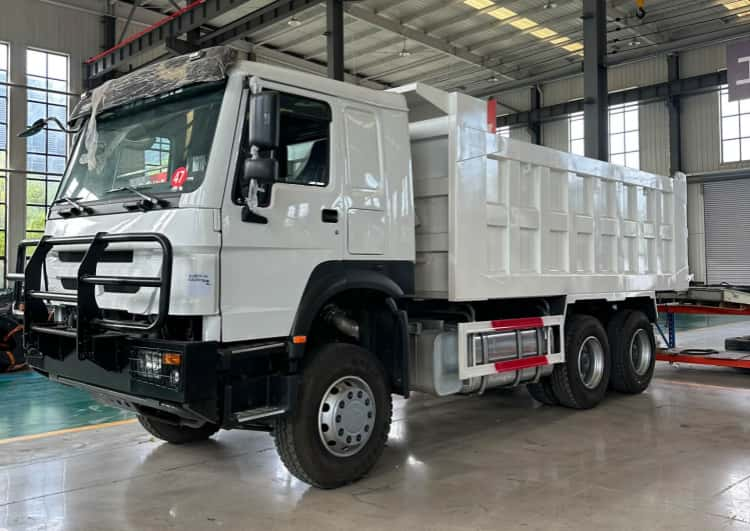
Refurbishment almost always uses partial disassembly. Only faulty or easily accessible assemblies are opened up. Sealed gearboxes, axles and welded frame joints stay intact and unexamined. Hidden internal wear, corrosion and microcracks remain trapped inside.
Genuine truck reman process requires complete disassembly into individual components. Every part is separated, tagged and cleaned. No closed assembly escapes inspection. This full teardown creates access to every mating surface, internal seal and load-bearing interface, so no hidden defect can remain concealed inside the truck.
Rigorous NDT and Dimensional Inspection Are Standard for Reman, Optional for Refurbishment
Refurbishment relies heavily on visual inspection and simple function checks. Subsurface fatigue cracks, internal voids and out-of-tolerance dimensions cannot be detected by eye, and non-destructive testing is rarely included.
For standard reman trucks for sale, precision measurement and mandatory NDT are non-negotiable steps. Ultrasonic, magnetic particle and penetrant testing scan load-bearing castings, welds and structural sections. Any component outside OEM tolerance or showing active fatigue cracking is scrapped. This filters out latent structural risks that will eventually cause sudden failure under heavy working loads.
Mandatory Wear-Part Replacement vs Selective Part Replacement
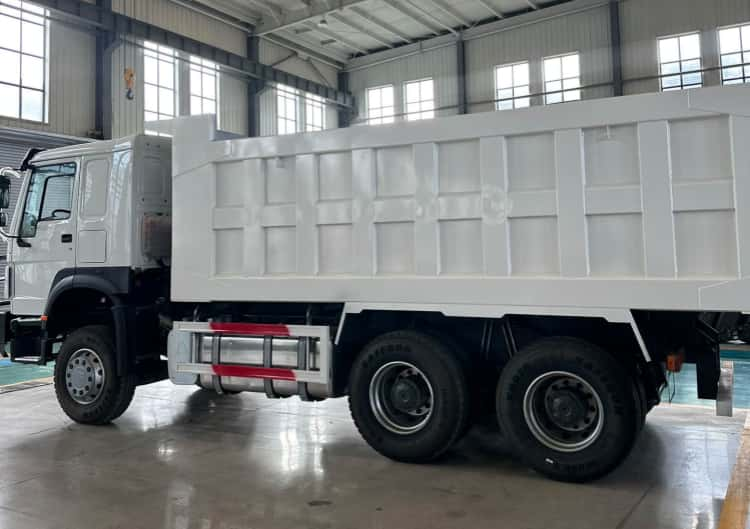
Refurbishment only replaces parts that are visibly damaged or leaking. Serviceable-looking bearings, seals, gaskets and friction linings are frequently reused to cut costs. These aged consumables degrade quickly under cyclic stress and become the source of repeated small leaks, slipping and breakdowns.
Genuine truck reman process enforces a fixed rule: all high-cycle wear parts and elastic sealing components are replaced unconditionally, regardless of their outward condition. This removes a major source of recurring faults and prevents early component failure after the truck enters service.
Formal Load Testing, Traceability and Warranty Backing
Most refurbished trucks receive only a brief test drive before delivery. There is no structured dyno validation, cyclic hydraulic testing or simulated heavy-load verification. Records are minimal or non-existent, and warranty coverage is narrow, short-term and limited to obvious breakdowns.
Every REMAN ROAD standard reman trucks passes multi-stage functional validation against OEM benchmarks. Power output, braking stability and system response are all verified. Full digital traceability logs and an official quality certificate accompany the vehicle, paired with clearly defined warranty coverage for major assemblies. When issues do emerge, support is built on documented process standards rather than ad-hoc repair agreements.
Conclusion
Standard reman trucks achieve superior reliability because reliability is built into every production stage, rather than hoped for after a quick refresh. Refurbished trucks may perform adequately in the short term, but they carry unresolved hidden defects and reused ageing components that lead to unpredictable breakdowns.
For fleets that value consistent uptime and long-term asset stability, the structured, auditable workflow of certified genuine truck reman provides a level of dependability that refurbishment cannot match.