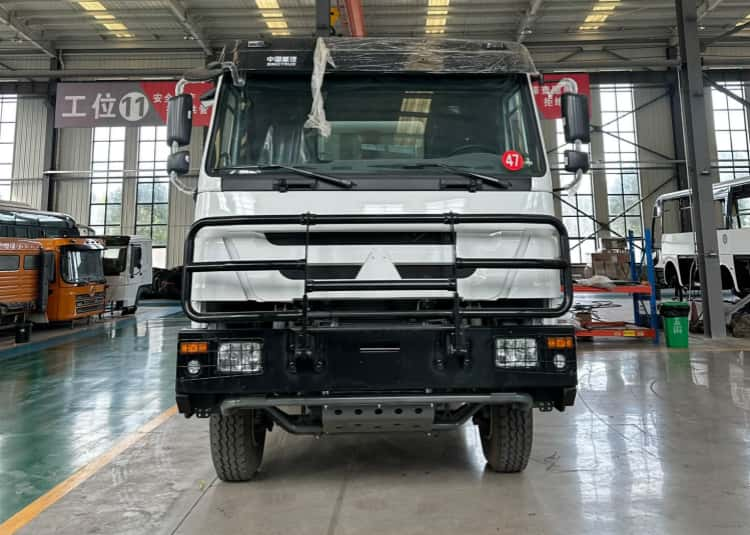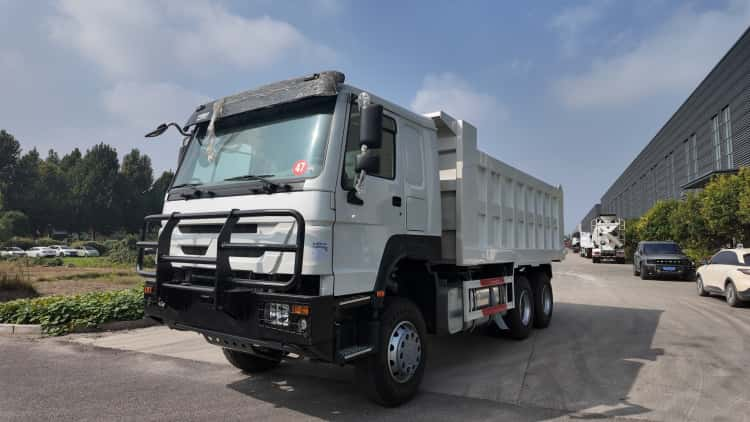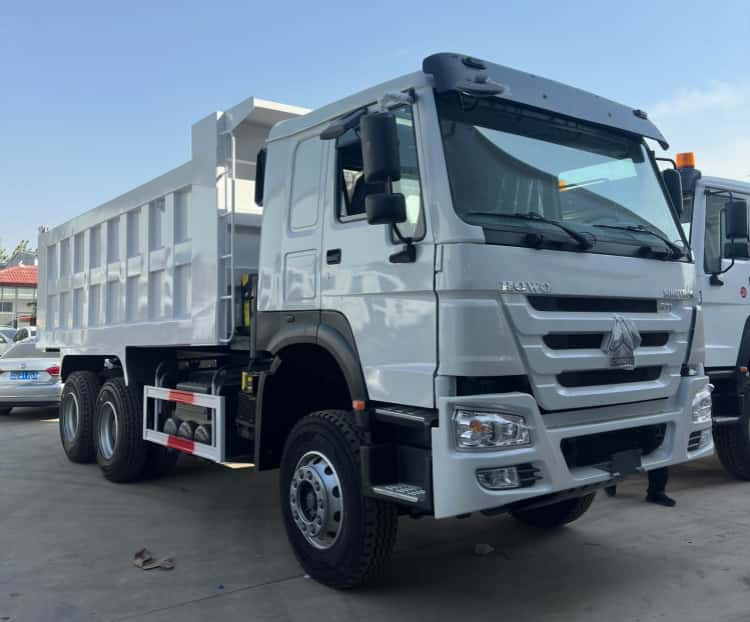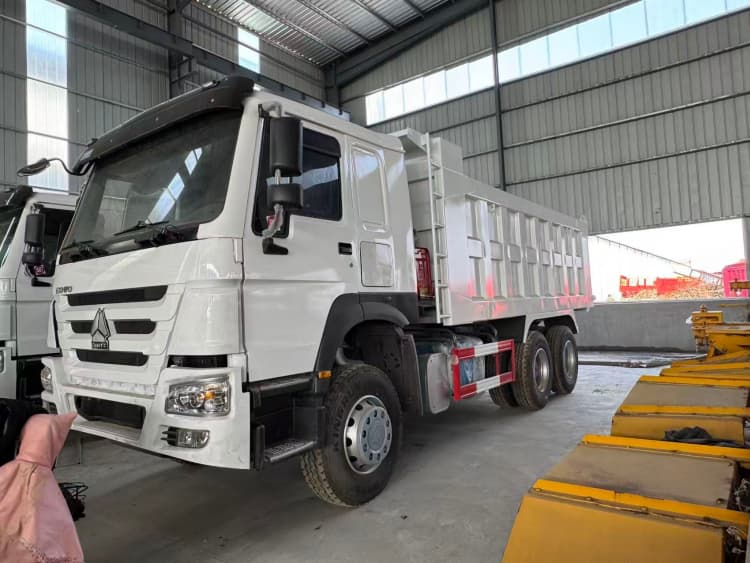
Formal Warranty Coverage: One Key Reason To Choose Standardised Remanufacturing
Introduction
When fleet operators buy rebuilt heavy trucks, many only receive a verbal promise or a vague short-term guarantee. Informal workshops often disclaim responsibility for major system failures once the vehicle leaves their yard. Formal warranty coverage, by contrast, is an intentional part of standardised remanufacturing from REMAN ROAD. It is not an afterthought or a simple goodwill offer.
Backed by controlled production workflows, inspection records and traceable test data, the warranty gives buyers clear accountability. It separates standardised reman trucks from unregulated rebuilds and refurbishment jobs, turning uncertainty into predictable risk protection for haulage, construction and industrial fleets.
What Makes a Remanufacturing Warranty Different From a Casual Repair Guarantee?
A basic repair guarantee usually only covers the single part that was just replaced, for a very narrow window. It does not reflect the overall condition of the whole truck. The formal standardised remanufacturing warranty from REMAN ROAD is built around the complete remanufacturing process.
It is issued only after the truck has passed full disassembly, cleaning, NDT inspection, component renewal and performance validation. Its scope covers major rebuilt assemblies according to published terms. Every warranty claim can be cross-referenced against inspection logs, test reports and serial-numbered traceability files, rather than relying on subjective judgment between buyer and supplier.
Clear, Defined Scope of Coverage for Critical Assemblies
Standardised remanufacturing warranty clearly define what is included and what falls outside coverage, eliminating ambiguity. Typically, coverage applies to core rebuilt systems such as the engine, transmission, drive axles, braking and steering assemblies. It specifies the warranty period, measured by operating hours or calendar time, whichever comes first.
It also outlines valid operating conditions: rated load limits, regular scheduled maintenance requirements and prohibited misuse. This transparency helps fleet teams plan asset usage and understand exactly what protection they hold, unlike vague warranties that leave owners guessing what may or may not be covered after a failure.
Warranty Is Only Possible Because of Standardised Process Controls
A supplier cannot confidently offer a meaningful long-term warranty without consistent quality control. That is why refurbishment shops and casual rebuilders limit coverage. They skip mandatory NDT screening, reuse worn components and perform inconsistent rebuild work, so they cannot predict how the truck will perform.
REMAN ROAD can provide structured standardised remanufacturing warranty terms precisely because every remanufacturing process follows fixed standards. Latent defects are removed during inspection, wear parts are mandatorily replaced, and final functional tests confirm performance. The standardised remanufacturing warranty is a reflection of confidence in the process itself, not just individual component luck.
Financial Protection Against Unexpected Major Assembly Failures
Even with rigorous quality checks, mechanical failures can rarely be eliminated entirely. A valid formal warranty absorbs the cost of approved repairs or component replacement for covered assemblies. This protects fleets from large, unbudgeted repair expenses.
For smaller operators, this safeguard is especially valuable, as a single expensive powertrain failure could severely impact cash flow. Compared with undocumented refurbished trucks where all repair costs fall fully on the buyer, warranty coverage acts as a financial buffer that stabilises total ownership cost.
Warranty Supports Asset Value, Resale and Fleet Auditing
A truck with a valid, transferable remanufacturing warranty holds stronger residual value. When fleets reallocate or resell the asset later, the warranty and accompanying quality certificate serve as proof of verified quality.
Many commercial clients and tender evaluators also recognise formal warranty documentation during procurement audits. The remanufacturing warranty record becomes part of the truck’s full asset file, helping fleets demonstrate compliance with internal procurement rules and supplier qualification requirements.
Conclusion
Formal standardised remanufacturing warranty coverage is more than just after-sales protection. It is tangible proof that the remanufacturer stands behind its standardised process. REMAN ROAD’s standardised remanufacturing warranty is rooted in auditable inspection records and strict production rules, something informal rebuilds and refurbished trucks cannot provide. For fleet operators, this level of accountability reduces risk, clarifies liabilities and makes standardised reman trucks a far more secure choice for long-term fleet investment.