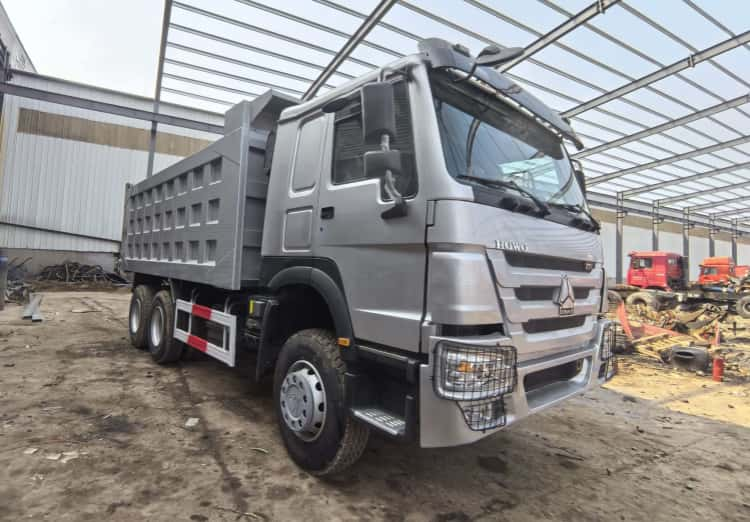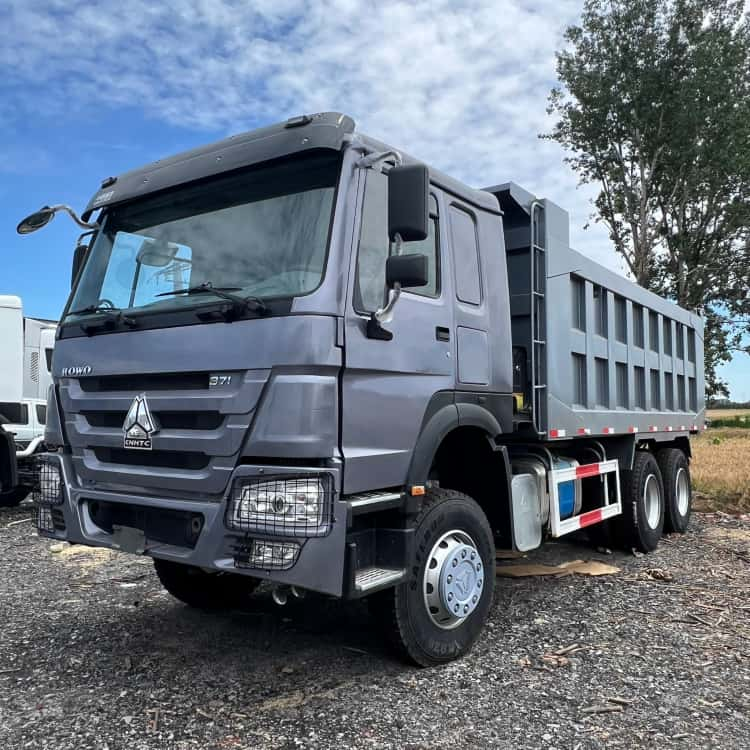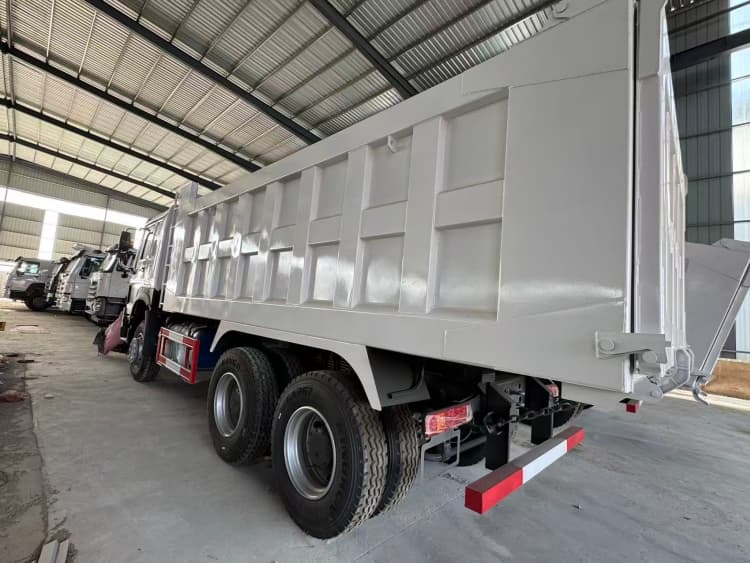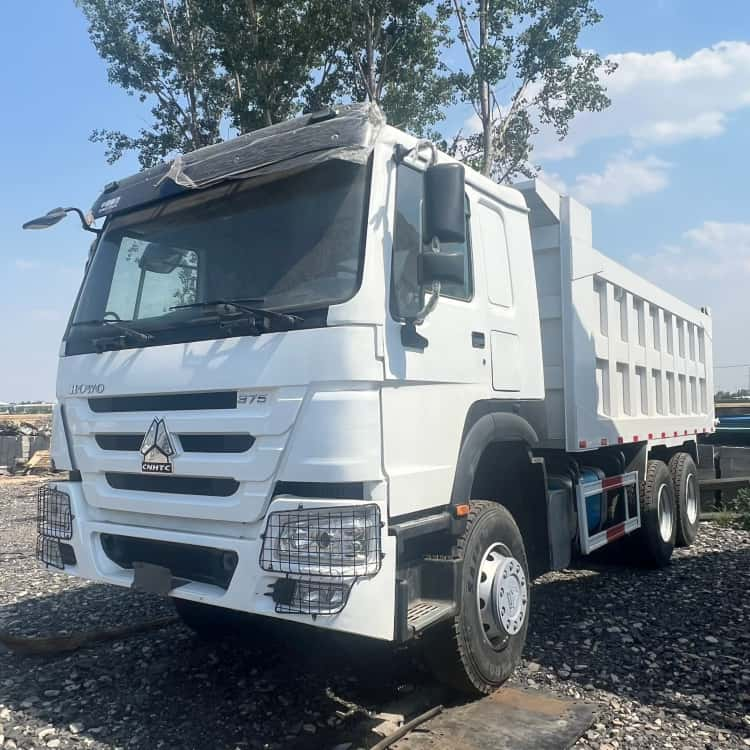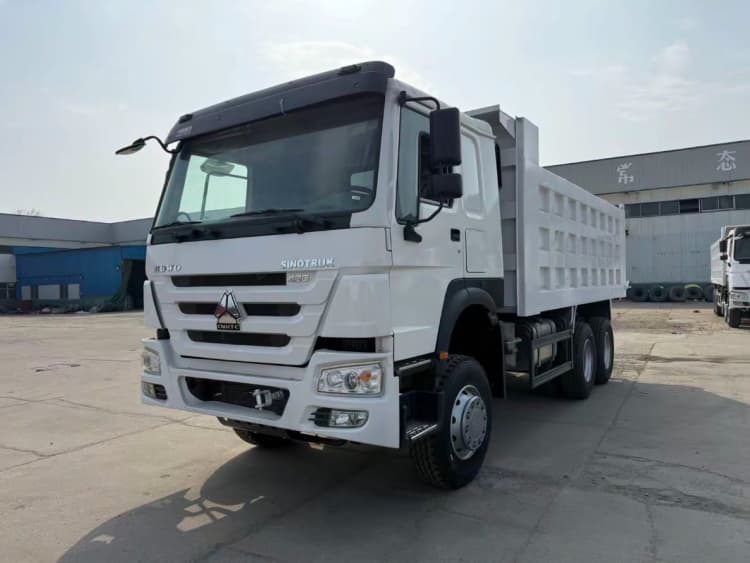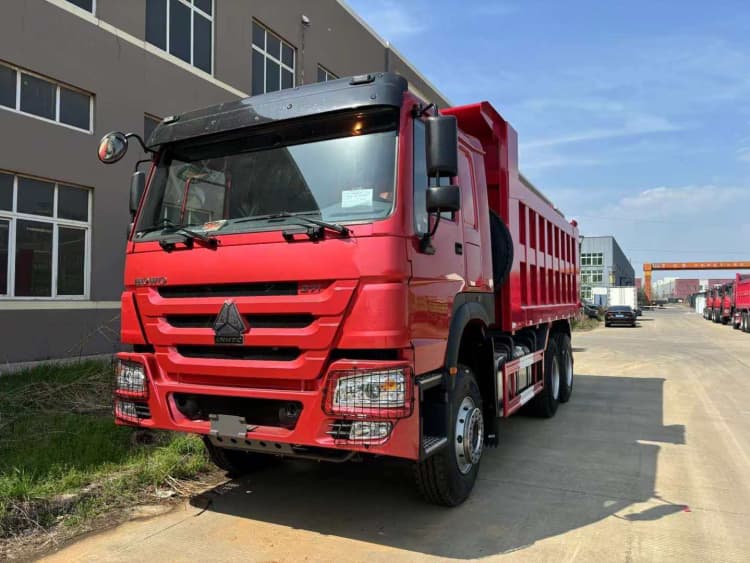
The Complete Industrial Remanufacturing Workflow of Remanufactured Dump Trucks
Introduction
A reliable certified remanufactured dump truck does not come from random repair work or partial component replacement. It relies on a closed, repeatable industrial workflow that strictly follows unified quality standards. At REMAN ROAD, the entire remanufacturing process is designed to strip down, inspect, restore, reassemble and validate each core systematically.
Every remanufacturing process is documented for traceability, ensuring the finished dump truck can reach near-new performance, safety and service life. This end-to-end remanufacturing process workflow separates formal industrial remanufacturing process from informal overhaul or simple refurbishment, and it forms the foundation of our certified remanufactured dump truck system for global mining and construction fleets.
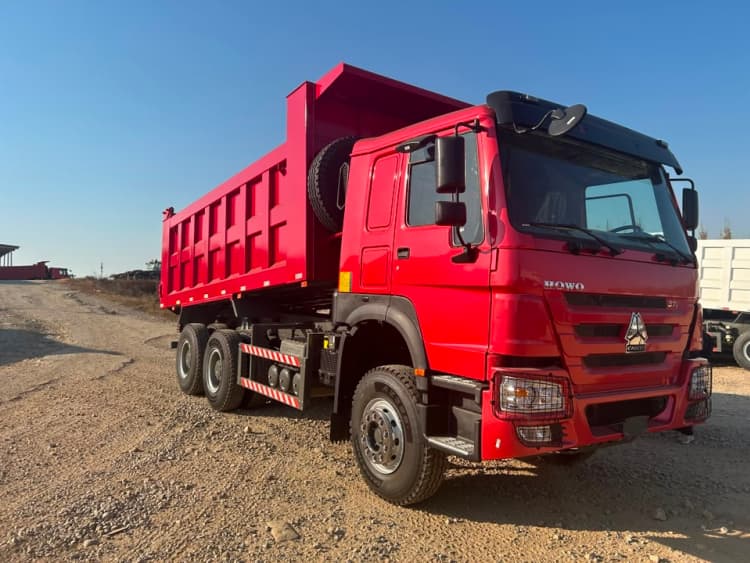
Core Receipt and Qualification Screening
The industrial remanufacturing process begins with core intake and technical evaluation. Each incoming used dump truck is reviewed for service history, accident records, corrosion level and frame condition. Our engineers carry out preliminary visual and functional checks. Cores with irreparable frame fractures, severe structural corrosion or permanent major damage are rejected directly. Only eligible cores with recoverable main structures and casting bases move forward into the production line. This screening avoids wasting resources on unrepairable units and sets the baseline for final reman quality.
Full Disassembly and Sorting of All Components
Approved cores go through complete teardown, down to individual parts instead of keeping powertrain or hydraulic assemblies intact. Technicians disassemble the engine, transmission, drive axles, braking system, hydraulic tipping system, chassis and tipper body piece by piece. All removed components are sorted into three categories: restorable parts, parts to be replaced, and scrap parts. Clear labeling is applied to every component to avoid mixing during subsequent procedures and maintain traceability throughout the cycle.
Industrial Deep Cleaning and Contamination Removal
All sorted components enter professional cleaning stations. Methods include high-pressure abrasive blasting, ultrasonic cleaning, hot chemical degreasing and carbon deposit removal. Years of accumulated dust, mud, oil sludge, rust and combustion carbon are fully eliminated. Clean surfaces are essential for accurate inspection; residual dirt or grease can cover tiny cracks, pitting and deformation, which would lead to missed hidden defects and reduce the reliability of the finished vehicle.
Precision Measurement and Mandatory NDT Inspection
This is one of the most critical quality control stages. Technicians use micrometers, calipers and coordinate measuring tools to check dimensions, clearances and wear limits against OEM specifications. Meanwhile, non-destructive testing including ultrasonic testing, magnetic particle inspection and penetrant testing is performed on load-bearing parts such as frame welds, axle housings and engine castings. Any component out of tolerance or showing fatigue cracks is marked for scrapping and will not be reused.
Component Restoration or Standard Replacement
Parts that pass inspection and stay within recoverable tolerance limits receive precision restoration work, such as honing, grinding, thermal spraying and overlay welding to bring dimensions and surface hardness back to original factory standards. All high-cycle consumables and wearing parts are replaced unconditionally, including bearings, oil seals, gaskets, brake friction materials, hydraulic hoses and sealing kits. We never reuse aged elastic or wearing components to cut costs.
Systematic Reassembly Following OEM Specifications
Reassembly follows a fixed sequence, calibrated torque requirements and official OEM technical guidelines. Each fastener is tightened with torque-controlled tools to avoid over-tightening or loose connections. Clearances of gears, bearings and valve groups are adjusted precisely. Hydraulic circuits, brake pipelines and electrical wiring are routed and sealed properly to prevent leakage, signal failure or heat accumulation. Standardized assembly reduces human error and stabilizes long-term operational performance.
Multi-Round Functional and Load Simulation Testing
After reassembly, the dump truck enters the testing phase before certification. Dynamometer tests verify engine power, torque curve and fuel consumption. Hydraulic cycling tests check tipping speed, holding performance and leak tightness. Simulated heavy-load trials validate braking response, steering stability and chassis rigidity under rated payload. If any remanufacturing process test item fails, the vehicle is sent back for rework and retesting until all indicators meet acceptance standards.
Certification, Record Archiving and Final Delivery
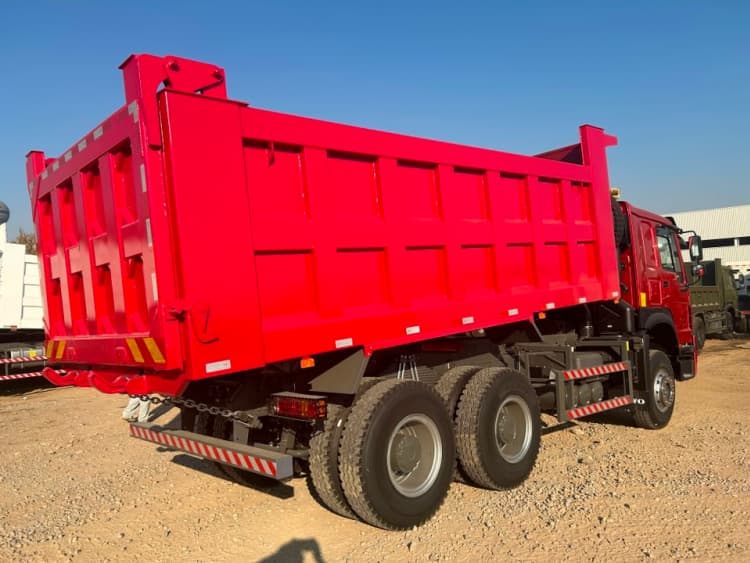
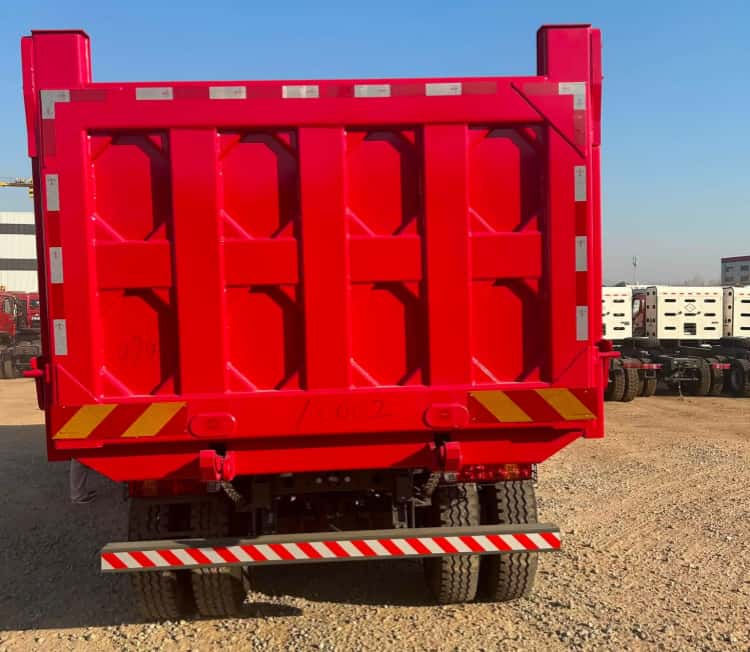
Once all tests are passed, the full set of production records, inspection reports and test data is locked and archived digitally to form a complete traceability file. The unit receives REMAN ROAD industrial remanufacturing certification with clear warranty terms. After final appearance finishing and protective packaging, the certified remanufactured dump truck is ready for delivery to fleet operators, mining contractors and cross-border heavy equipment buyers.
Conclusion
Every step in this industrial remanufacturing process is interlocked and quality-controlled. REMAN ROAD’s full industrial remanufacturing process focuses not on quick fixes, but on systematic elimination of wear, fatigue and hidden risks. Standardized workflows, traceable records and strict final testing ensure every remanufactured dump truck delivers consistent near-new performance. For global fleets, this mature process turns used vehicle cores into stable, low-carbon and cost-effective productive assets under circular economy principles.