What Standards Define Industrial Remanufacturing in the Heavy Vehicle Industry?
Introduction
Many buyers mistakenly treat remanufacturing as a loosely defined rebuild service, but genuine industrial remanufacturing is bounded by clear, enforceable standards. These rules separate certified reman products from ad-hoc repair, overhaul and cosmetic refurbishment. For heavy-duty dump trucks and off-highway equipment, standards cover core qualification, process control, inspection methodology, performance benchmarks, documentation and after-sales commitments.
REMAN ROAD builds its entire industrial remanufacturing workflow on these unified principles, aligning with international sustainability norms and OEM engineering tolerances, to deliver consistent near-new quality for global mining and construction fleets.
Foundational Definition & Eligibility Standards for Cores
The first set of standards defines what qualifies as a valid reman core. A core must retain recoverable base material and structural integrity; units with irreparable frame fractures, extensive fatigue cracking or permanent thermal damage are rejected outright.
Under ISO 10987‑2, remanufacturing is an industrial process that returns a worn core to like-new or design-improved condition, rather than merely restoring basic functionISO. This standard also clarifies that industrial remanufacturing workflow must be completed by qualified, auditable facilities, not informal field workshops.
Process & Disassembly Standards
Standardised disassembly rules require full teardown down to individual components, instead of partial disassembly of only faulty assemblies. Every part must undergo industrial deep cleaning to remove contaminants that hide defects. Standards mandate sorting into three groups: restorable components, mandatory replacement wear items and scrap.
Critical consumables such as seals, gaskets, bearings and brake friction materials must be renewed without exception, a rule that distinguishes industrial remanufacturing workflow from low-cost rebuilds that reuse aged wear parts to cut costs.
Inspection, NDT and Dimensional Tolerance Standards
Inspection standards combine precision dimensional measurement and mandatory non-destructive testing for all load-bearing components. Ultrasonic, magnetic particle and penetrant testing are required to detect subsurface cracks and fatigue that visual checks cannot identify.
All restored parts must fall within published OEM tolerance bands. Any component outside specification must be scrapped, not reworked to a compromised fit. This is one of the most heavily audited requirements in formal industrial remanufacturing workflow.
Performance, Emission and Functional Validation Standards
Before certification, finished vehicles and assemblies must pass the same performance tests applied to new units. Dynamometer tests verify power, torque and fuel consumption. Hydraulic, braking and steering systems complete cyclic and simulated heavy-load validation.
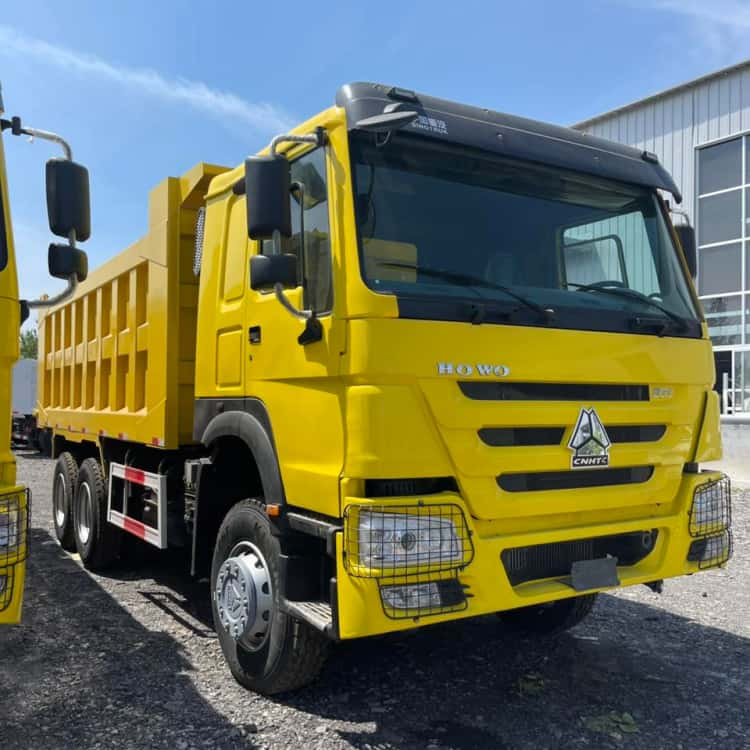
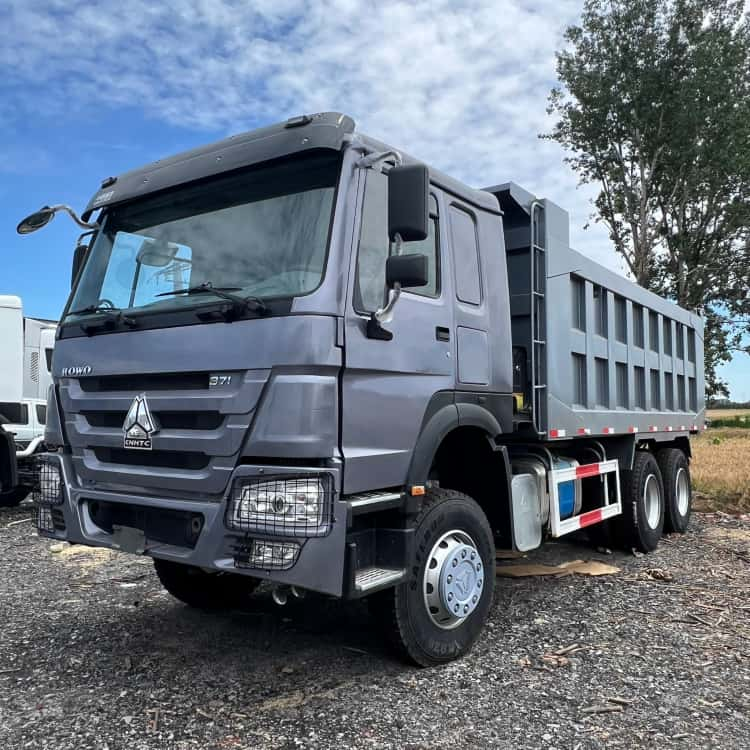
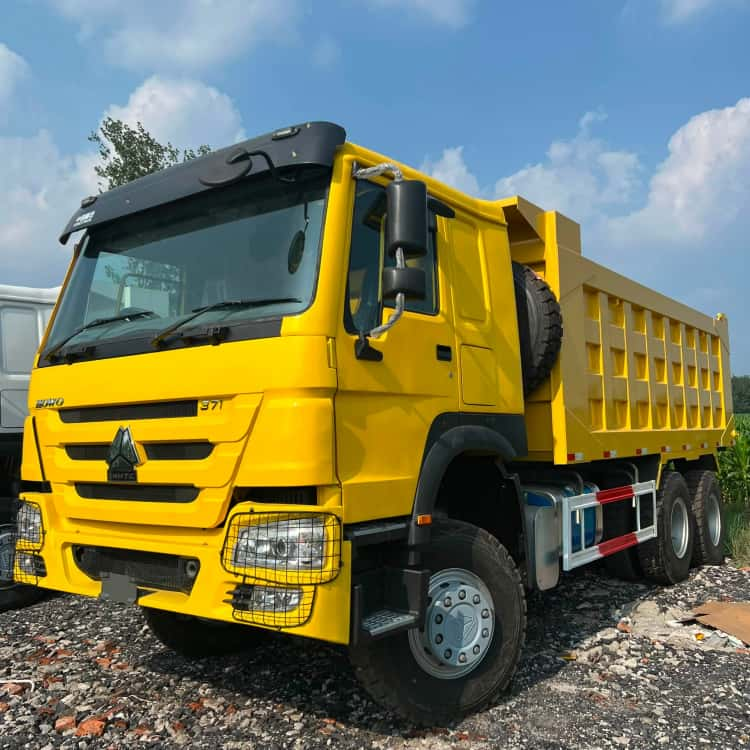
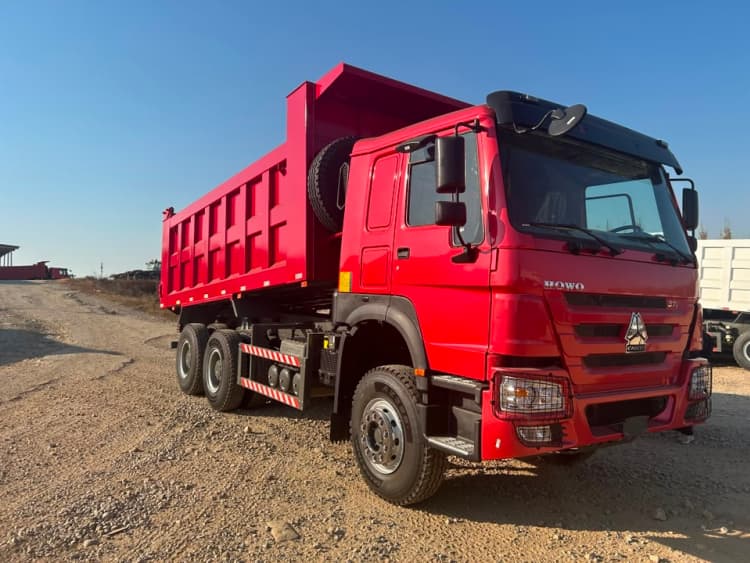
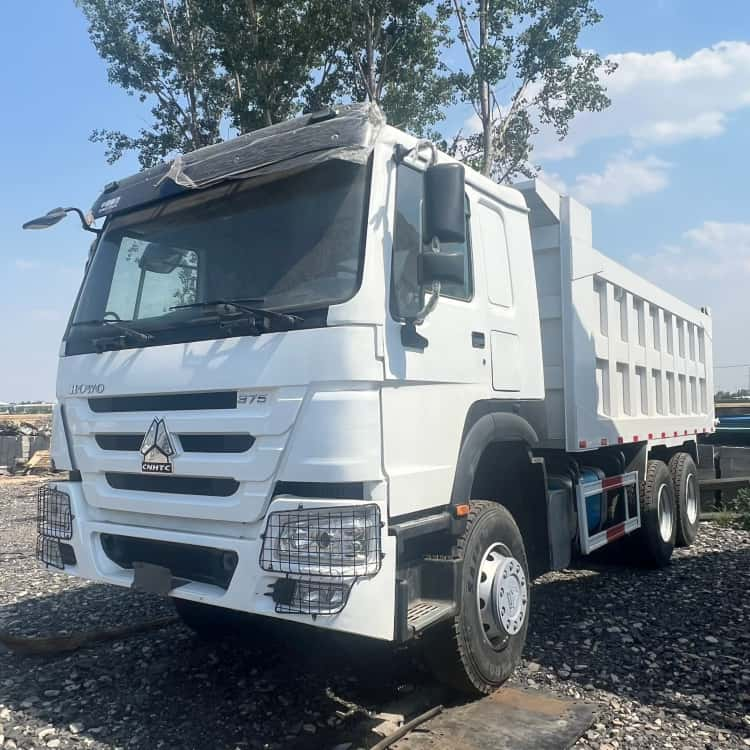
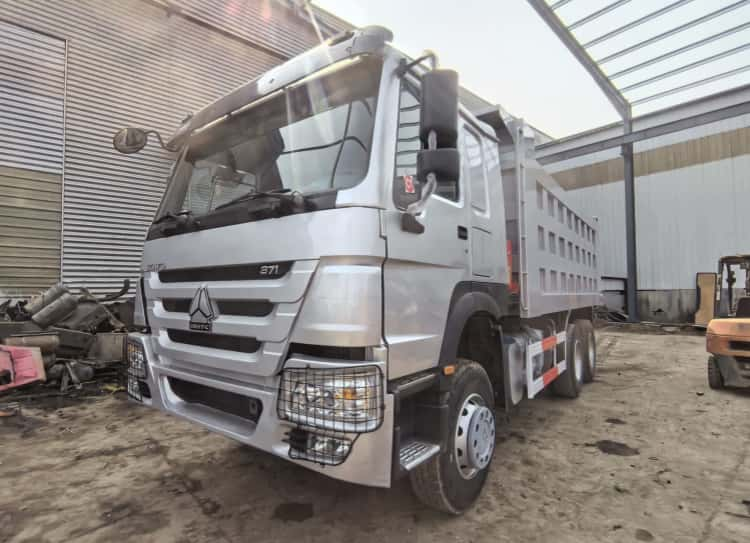
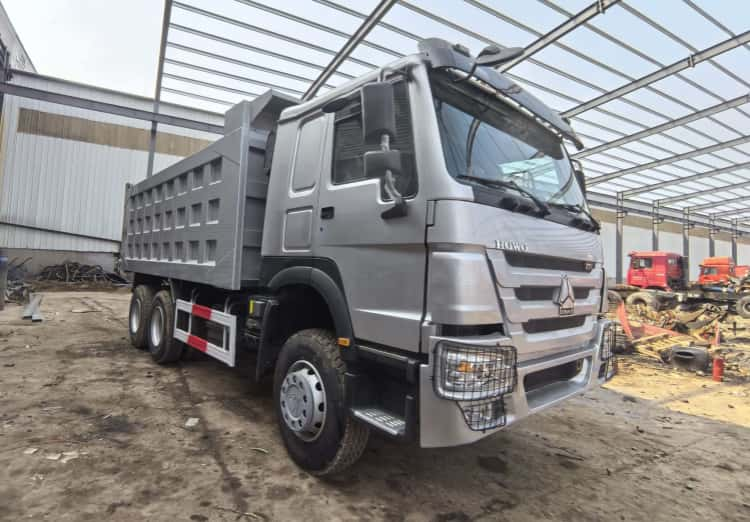
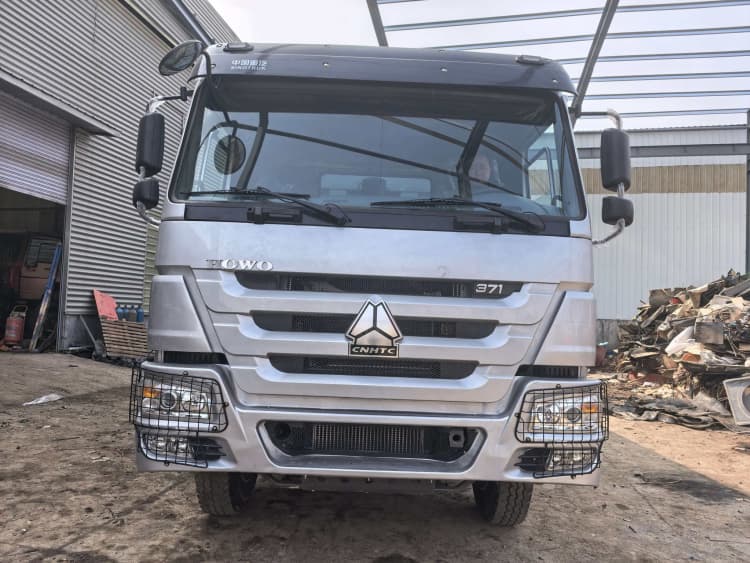
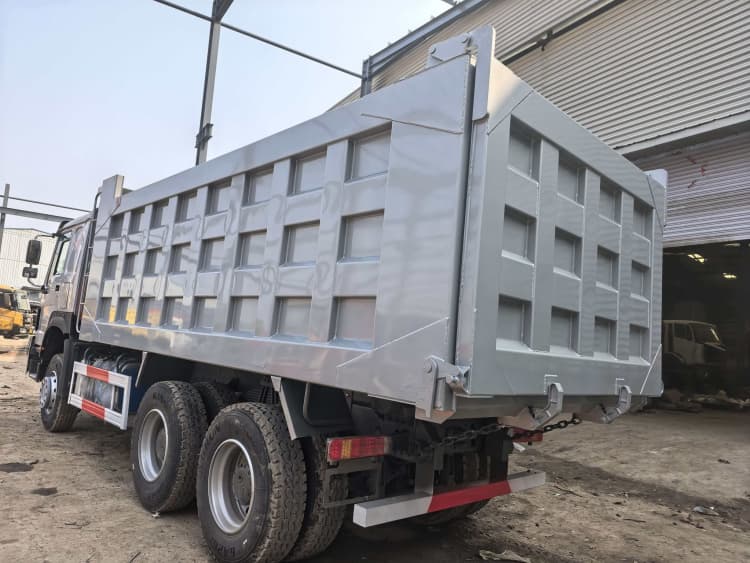
For engines and exhaust aftertreatment systems, remanufactured units must comply with applicable emissions standards for the target market. The benchmark is clear: remanufactured heavy dump trucks must deliver stable, repeatable performance matching original design intent.
Traceability, Labelling and Documentation Standards
Traceability is a non-negotiable standard for industrial remanufacturing. Every core, restored component and new replacement part must be tracked through digital records from intake to delivery. Full inspection reports, test logs and material records are archived for audit.
Standards also require clear labelling to identify a product as remanufactured, so buyers can distinguish certified remanufactured heavy dump trucks from new or refurbished equipment. This transparency supports cross-border procurement, fleet compliance and targeted recalls when needed.
Quality Management, Warranty and Continuous Improvement Standards
Leading reman facilities maintain ISO 9001 quality management systems, alongside environmental and occupational safety frameworks such as ISO 14001 and ISO 45001.
Standardised warranty terms must be defined and disclosed, covering critical assemblies for a stated period, not limited to short cosmetic guarantees. The industrial remanufacturing standard also requires corrective action workflows for non-conforming units, ensuring process gaps are fixed systematically rather than treated as isolated mistakes.
Conclusion
Taken together, these standards create a shared quality language for heavy vehicle industrial remanufacturing. They are not optional guidelines for cosmetic upgrades; they set the minimum bar to claim a dump truck or component is genuinely remanufactured.
REMAN ROAD adopts this full stack of standard requirements in every production batch, giving fleet operators verifiable quality, predictable uptime and reliable circular-economy value when selecting remanufactured heavy dump trucks.