Heavy Duty Remanufacturing: The Future Model For The Linear “Take-Make-Dispose” Industry
Introduction
For decades, the heavy vehicle sector operated on a simple linear “take-make-dispose” model. Miners extract raw ore, factories forge and assemble brand-new trucks, fleets run the vehicles until they wear out, and end-of-life units are sent for scrap. This system relies on endless fresh resources, generates large embodied carbon emissions and creates waste pressure.
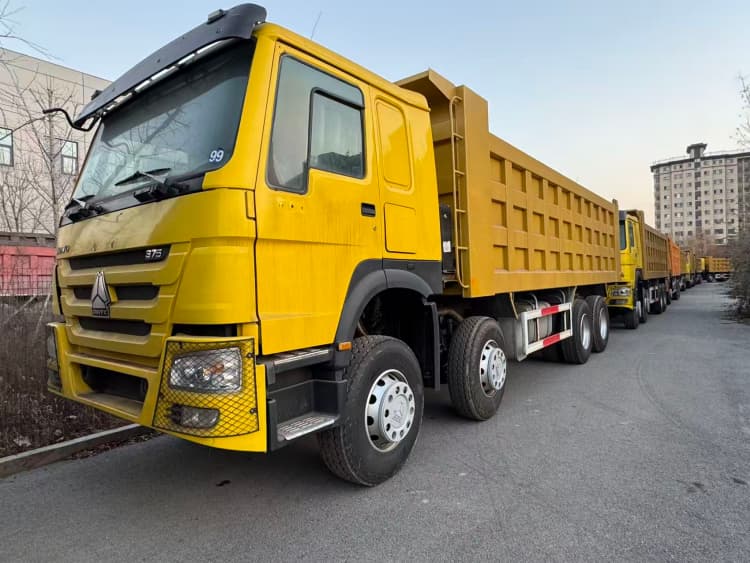
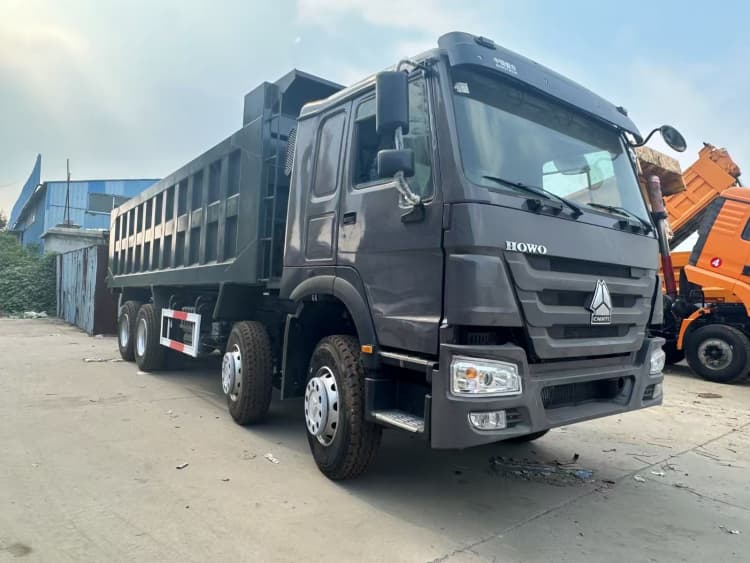
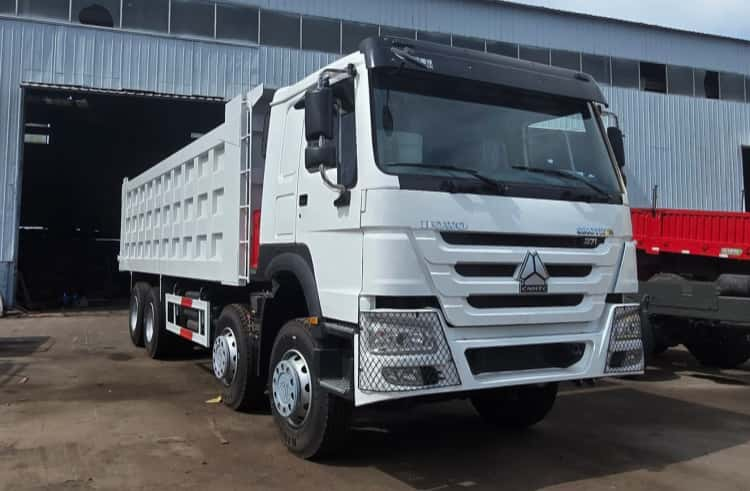
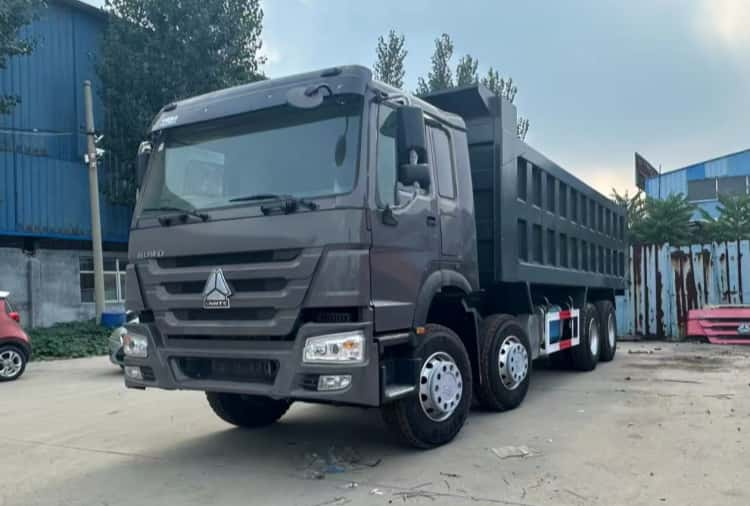
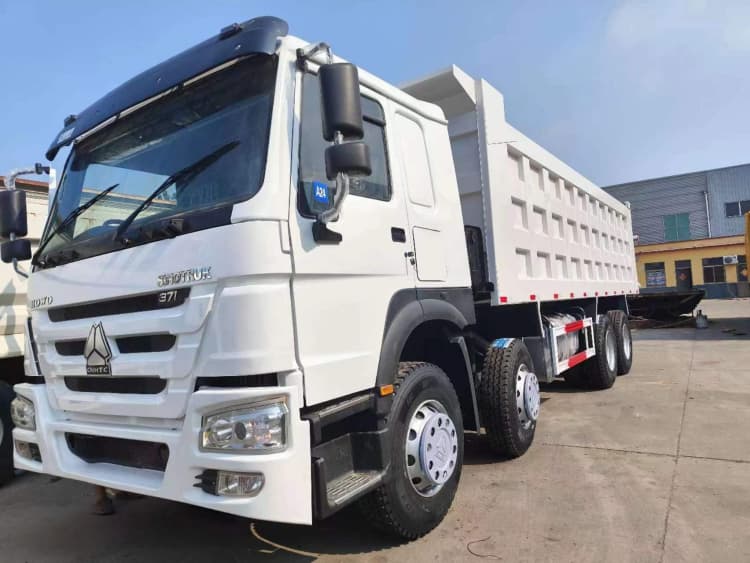
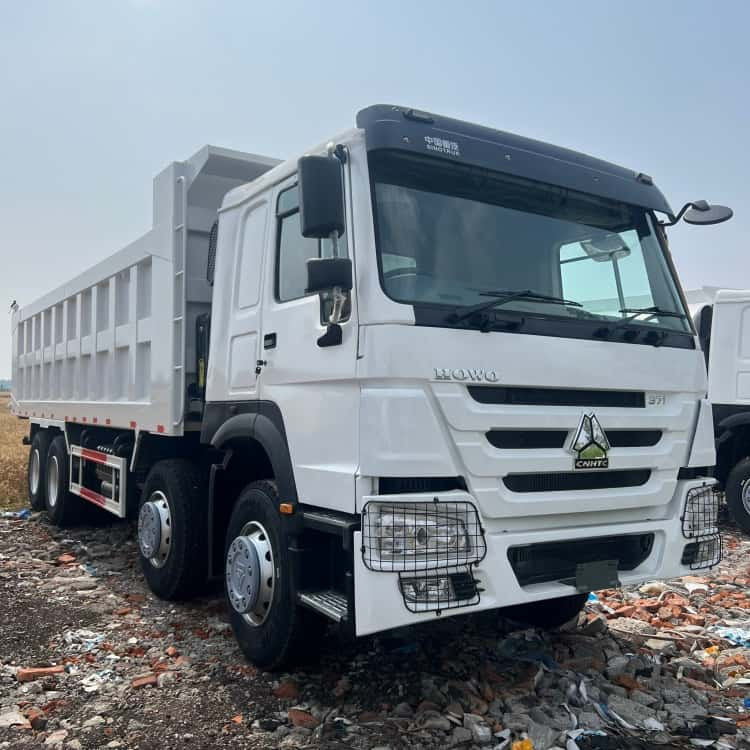
Heavy duty remanufacturing breaks this cycle. REMAN ROAD’s standard remanufacturing process treats worn heavy trucks as valuable reusable cores rather than waste, rebuilding them back to near-new operational standards. It offers a proven alternative production blueprint, gradually shifting the industry away from the resource-heavy linear model toward closed-loop circular operation.
The Limitations Built Into The Traditional Linear Model
The linear model is designed around one single lifecycle. Every new truck requires virgin steel, alloys, casting materials and massive manufacturing energy. Once the truck reaches its end of service, its high-value structural components are usually melted down into generic scrap metal. Even though chassis frames, engine blocks and axles still retain usable engineering integrity, their precision factory geometry is destroyed during recycling.
As raw material prices rise, mining limits tighten and carbon rules become stricter, this one-time-use model becomes financially and environmentally unsustainable. It locks fleets and manufacturers into constant competition for scarce mineral resources.
Heavy Duty Reman Creates A Continuous Value Loop Instead Of One-Time Consumption
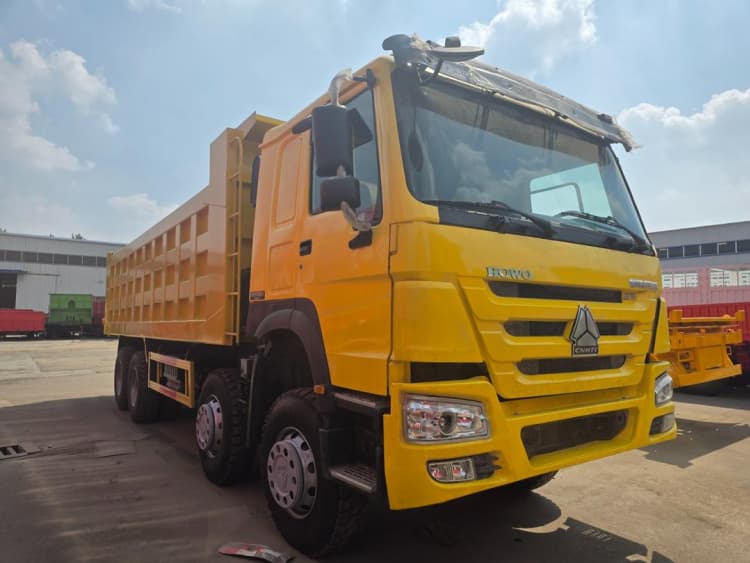
Instead of melting functional assemblies, heavy duty remanufacturing captures usable cores and restores their performance systematically. Each truck goes through full disassembly, industrial cleaning, precision measurement and mandatory NDT inspection. Fatigued or out-of-spec parts are discarded, all high-cycle wear components are renewed, and the whole vehicle is reassembled and load-tested before certification.
The truck re-enters service with near-new reliability. When it reaches the end of this second lifecycle, it can re-enter the standard remanufacturing process pipeline again if the core remains qualified. Value circulates repeatedly, rather than being created once and then discarded.
It Preserves High-Value Engineering That Recycling Cannot Save
Many people confuse standard remanufacturing process with recycling. Recycling reduces a truck down to basic raw metal, which must be forged and machined all over again. This still consumes large amounts of heat and energy.
Heavy duty remanufacturing preserves the finished, precision-machined form of major assemblies. A qualified engine block or chassis frame keeps its engineered shape and structural strength. This means most of the original manufacturing labour, energy and material investment is retained. This is the core distinction that makes heavy duty remanufacturing the highest-value recovery pathway for heavy vehicles.
This New Model Aligns Business Profit With Resource Responsibility
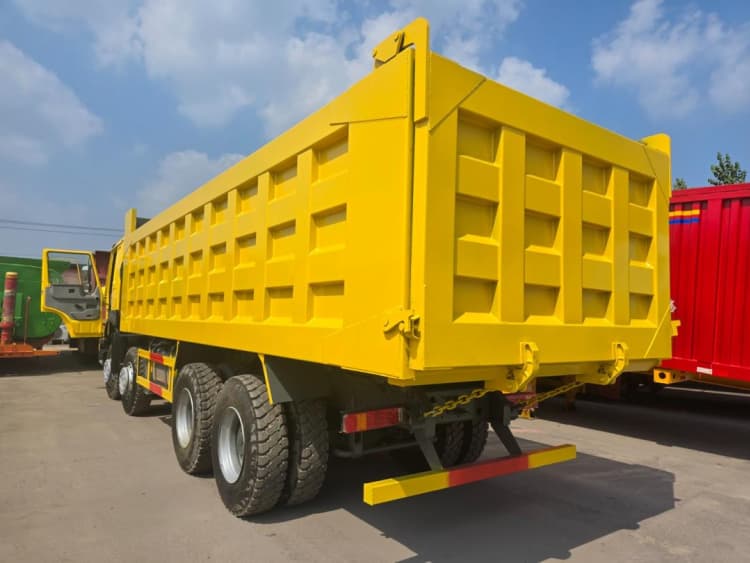
A common misconception is that circular models sacrifice profitability for sustainability. Professional heavy duty remanufacturing proves the opposite. Reusing qualified cores lowers production costs, which translates to reasonable purchase prices for fleets. Operators gain reliable, certified trucks without the steep price of new units, while manufacturers reduce their dependence on volatile raw material markets.
The business case is self-supporting: stable supply of cores, controlled production costs and steady fleet demand combine sustainability and financial return, something the linear “take-make-dispose” structure cannot achieve.
Standardised Certification Solves Trust Barriers For The Circular Model
A major obstacle for reman’s adoption was inconsistent quality. Unregulated rebuilds claimed circular benefits while skipping inspection steps, creating market confusion. Standardised heavy duty remanufacturing solves this with repeatable workflows, serial-numbered traceability archives and formal quality certificates.
Every REMAN ROAD reman truck has clear proof of completed inspection, part replacement and performance testing. This level of transparency gives fleet buyers, auditors and regulators confidence. It creates a trusted market foundation for the circular model to scale.

Policy and ESG Requirements Accelerate The Industry Transition
Global circular economy policies, carbon disclosure rules and public procurement frameworks increasingly penalise waste-intensive linear practices. Regulators and project owners reward assets with verifiable low embodied carbon. Heavy duty remanufacturing delivers auditable proof of resource savings and emission reduction.
For fleet operators and suppliers, adopting certified REMAN ROAD reman trucks is not only an operational upgrade; it is a way to meet compliance obligations and qualify for green tender opportunities. This regulatory push speeds the replacement of old linear workflows.
Conclusion
Heavy duty remanufacturing offers a practical, scalable replacement for the linear “take-make-dispose” model. It stops throwing away valuable engineered assets, keeps core components circulating in productive service and decouples fleet growth from endless virgin resource extraction.
Certified REMAN ROAD reman trucks demonstrate that heavy transport can expand capacity, protect margins and cut environmental impact at the same time. As resource pressure and climate rules continue to tighten, this circular reman model will become the default operating standard for the heavy vehicle industry.