How Circular Economy Policies Push Remanufacturing Into Mainstream?
Introduction
For many years, remanufacturing remained a niche, underregulated segment, often confused with simple repair or refurbishment. Today, national and cross-border circular economy frameworks are rewriting this landscape. Governments, procurement bodies and industry regulators are designing rules that prioritise resource retention, waste reduction and lower embodied carbon.
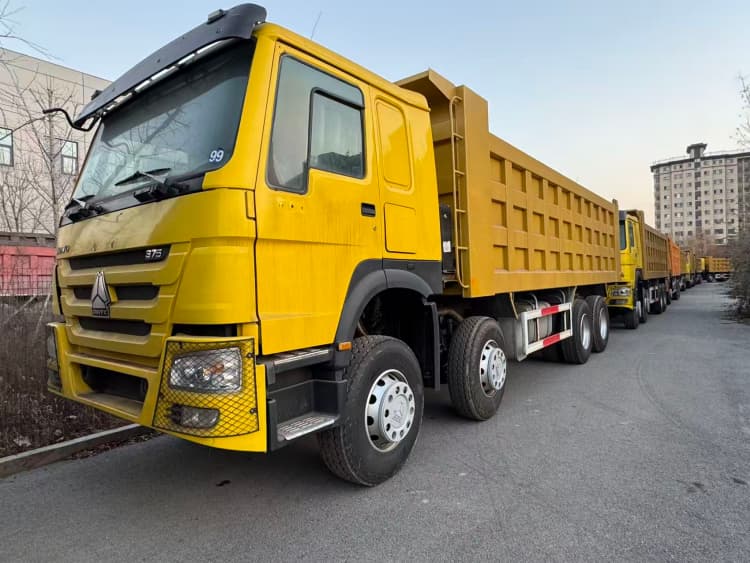
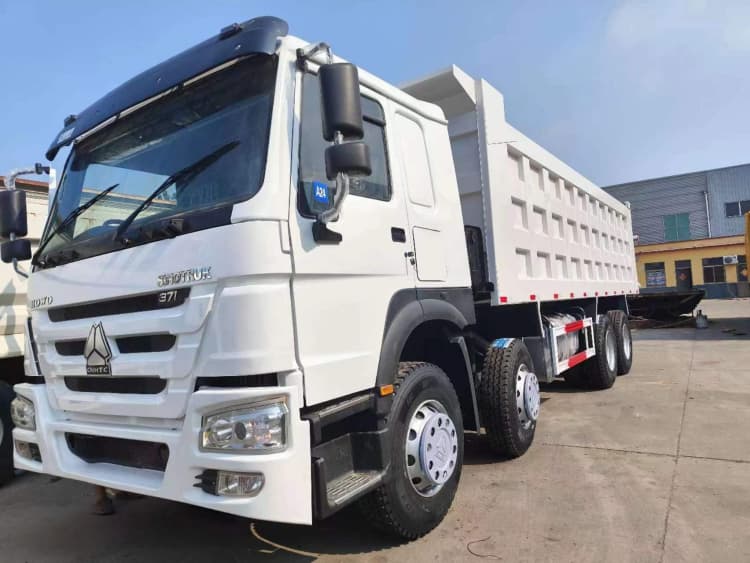
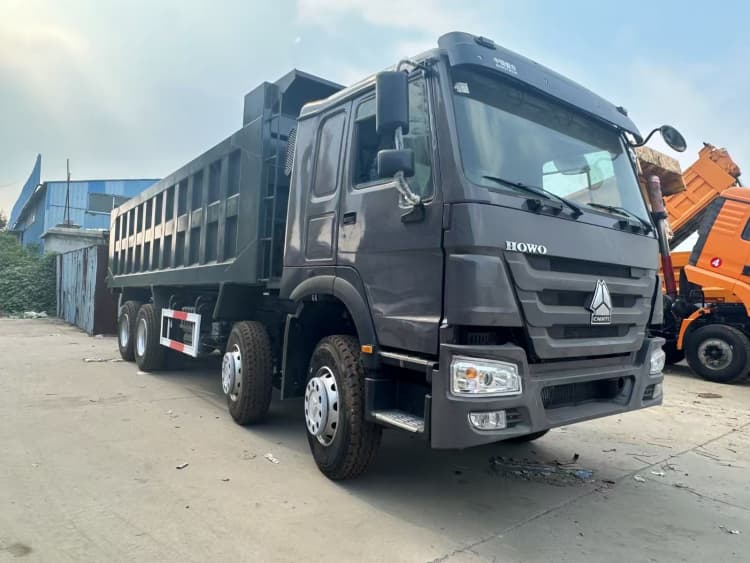
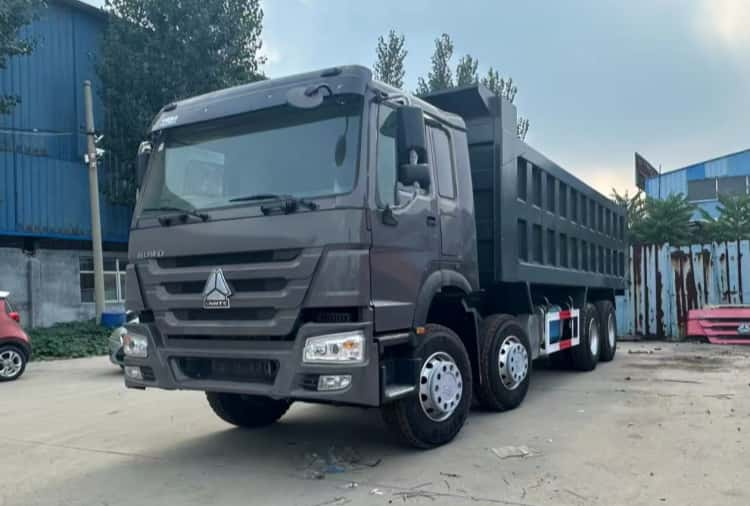
These policies do not merely encourage remanufacturing; they create binding requirements, official procurement preferences and clear quality standards that push verified reman trucks from an alternative option into a mainstream fleet solution. For REMAN ROAD and professional fleet operators, these regulatory shifts provide stable market foundations that distinguish genuine remanufacturing work from informal rebuild work.
Extended Producer Responsibility (EPR) Rules Shift Accountability to Lifecycle Management
One of the most impactful policy tools is Extended Producer Responsibility, or EPR. Under EPR schemes, truck and component manufacturers are accountable not only for selling products, but also for end-of-life collection, recovery and responsible reuse of high-value assemblies.
Manufacturers must establish return channels for qualified cores and support authorised reman pathways, rather than letting worn trucks and assemblies flow straight to scrap yards. This creates steady, traceable core supply for genuine remanufacturing work.
At the same time, it pressures OEMs and fleet buyers to choose verified reman trucks solutions, because discarded usable components now carry compliance costs. Certified genuine remanufacturing becomes the compliant route to fulfil EPR obligations.
Official Standards Separate Genuine Remanufacturing From Unregulated Rebuilds
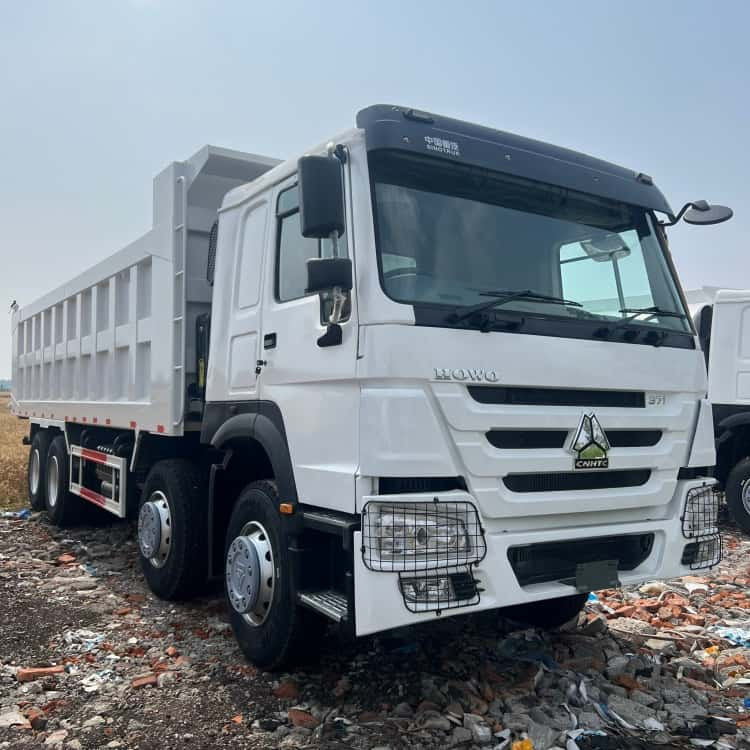
Before formal circular rules existed, the term “remanufactured” had no universal definition. Any rebuild shop could label its output as remanufactured. Modern circular economy regulations define clear technical criteria: full disassembly, mandatory inspection, non-destructive testing, wear-part replacement, performance validation and formal certification.
These official standards set enforceable thresholds. Only units that pass the complete genuine remanufacturing work qualify for the recognised “remanufacturing” designation. This regulatory definition builds buyer trust and creates a level playing field. It also gives auditors, customs officers and procurement teams a benchmark to reject undocumented rebuilt trucks.
Public and Tender Procurement Rules Reward Circular Asset Choices
Government infrastructure, public haulage and state-linked projects increasingly embed circular clauses into tender documents. Many tender evaluation frameworks award extra scoring or priority qualification for fleets using verified reman trucks, while purely new-truck fleets receive no sustainability bonus.
For contractors competing for these contracts, purchasing REMAN ROAD verified reman trucks becomes a competitive advantage. These procurement policies directly reshape buying behaviour. Fleets no longer select assets purely on lowest upfront price; they select assets that help them satisfy mandatory sustainability evaluation criteria.
Carbon and Emission Regulations Make Embodied Carbon Count
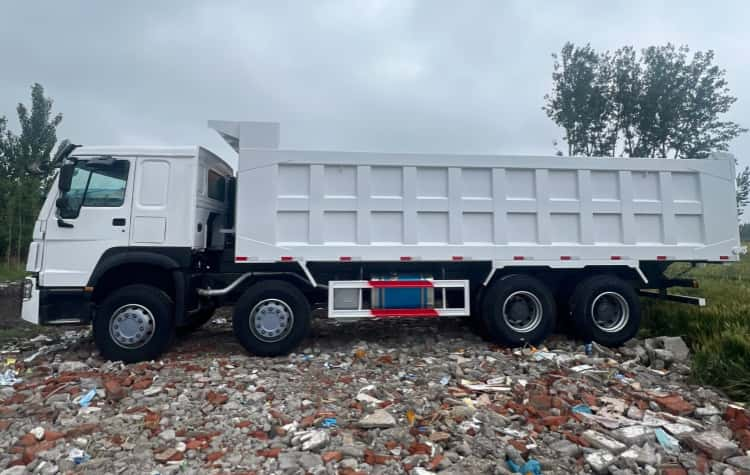
Climate-focused circular policies are shifting regulatory focus beyond tailpipe emissions toward full-lifecycle carbon accounting. Manufacturing a brand-new heavy truck consumes large volumes of steel, alloy and energy, generating substantial embodied carbon.
Genuine remanufacturing retains qualified chassis, axles and major castings, cutting embodied emissions sharply. Where lifecycle carbon reporting is required, fleets with certified reman trucks can demonstrate measurable emission reductions. In regions with carbon taxation, carbon credit schemes or ESG disclosure mandates, this compliance value turns remanufacturing into a strategic operational choice rather than an optional green initiative.
Waste and End-of-Life Vehicle Restrictions Limit Scrap Disposal
Many circular economy laws introduce tighter restrictions on scrapping functional heavy vehicle assemblies. Rules restrict the shredding of serviceable core components and set targets for reuse before recycling. This raises the cost and administrative burden of scrapping trucks with recoverable value.
Fleet operators find it economically smarter to send eligible cores to certified reman facilities instead. This steady inflow of quality cores supports the scaling of professional reman production, which in turn expands supply and lowers delivery lead times for buyers.

Incentives and Tax Measures Improve the Financial Case for Reman
Multiple jurisdictions apply targeted support: reduced import duties for verified reman trucks, favourable depreciation schedules, tax relief or grant schemes for fleets adopting circular assets. These incentives narrow the remaining hesitation among finance managers.
Combined with formal warranty, traceability and predictable TCO, policy incentives remove the last barriers to adoption. What was once a sustainability preference becomes a financially supported, compliance-aligned fleet decision.
Conclusion
Circular economy policies push remanufacturing into the mainstream by standardising definitions, clarifying accountability, reshaping public procurement and tying resource efficiency to regulatory compliance. They transform remanufacturing from a low-cost aftermarket workaround into a formal, recognised industrial pathway.
REMAN ROAD verified reman trucks fit neatly into this policy landscape, with auditable process records and quality certification that help fleets meet circular economy obligations. As these global rules continue to mature, genuine remanufacturing will become the default, responsible choice for forward-thinking heavy transport fleets.