Why Global Carbon Regulations Accelerate Remanufacturing Adoption?
Introduction
Carbon regulations are evolving beyond traditional tailpipe emission controls. Increasingly, regulators focus on embodied carbon — the emissions generated during raw material extraction, processing and manufacturing of equipment. For heavy transport fleets, this shifts the way truck assets are evaluated.
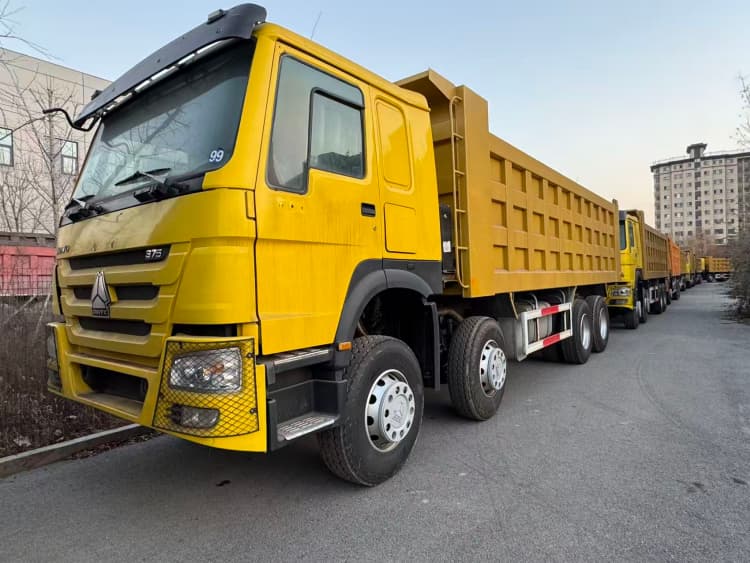
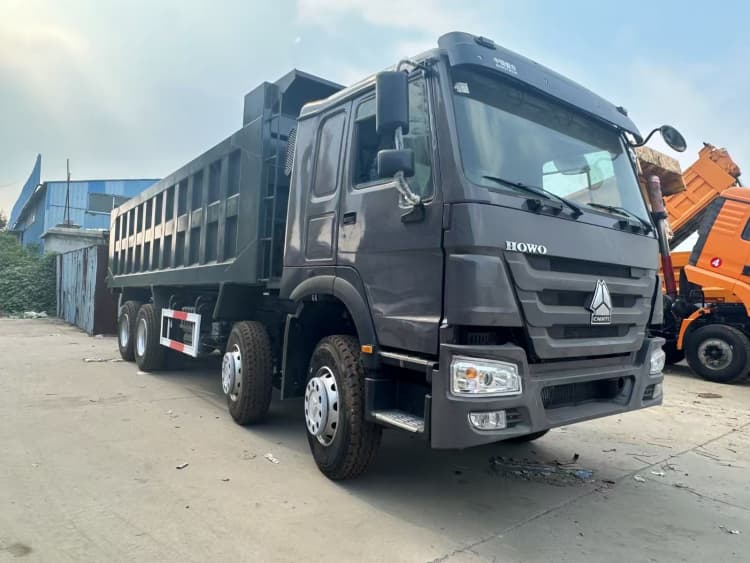
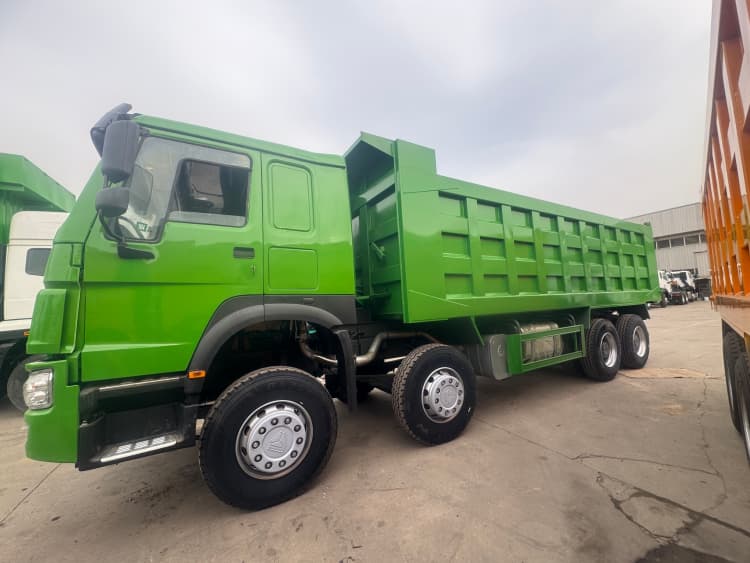
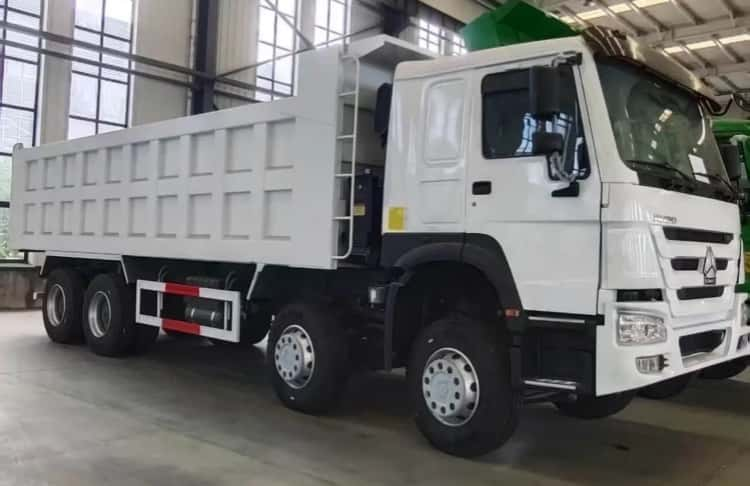
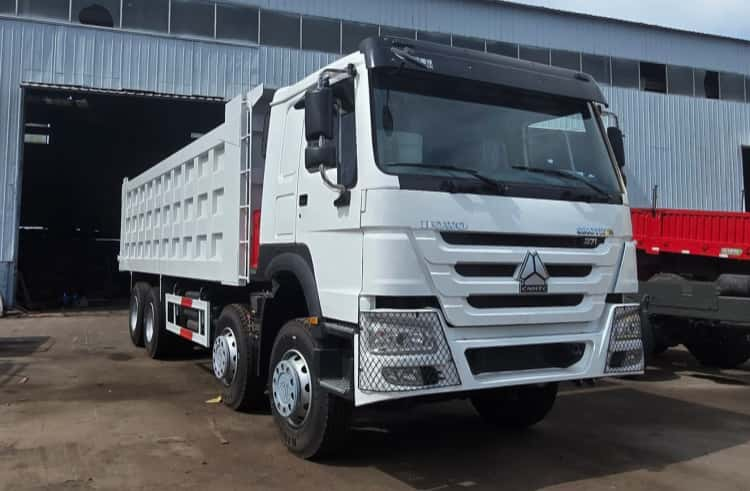
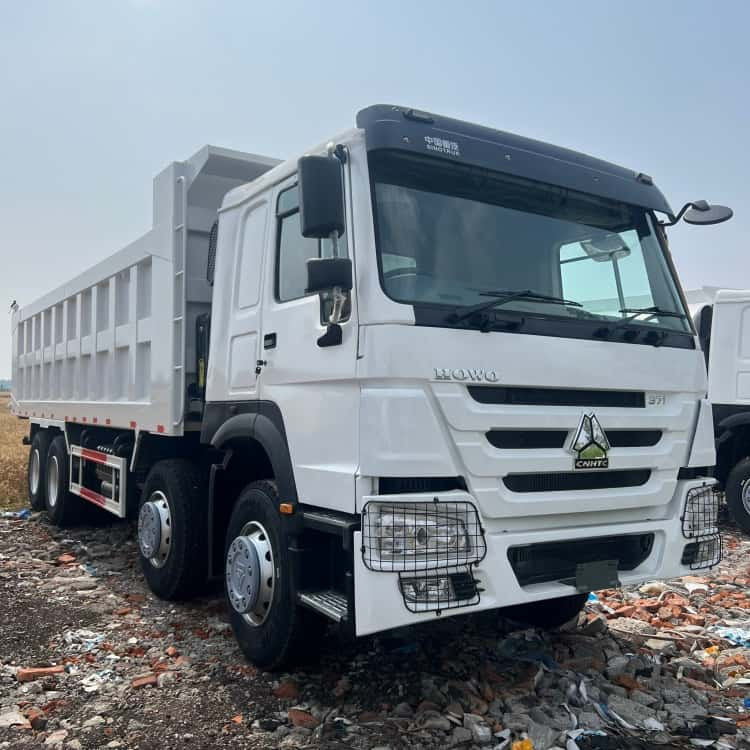
Brand-new heavy trucks carry substantial embodied carbon footprints, while genuine reman trucks deliver near-new operational performance with far lower embodied emissions. Standardized remanufacturing from REMAN ROAD provides a compliant, auditable pathway for fleets to reduce lifecycle carbon output, which explains why carbon-focused policies are speeding up industry adoption of genuine reman trucks.

Regulations Expand Scope From Tailpipe Emissions To Embodied Carbon
Historically, heavy vehicle carbon rules mainly targeted exhaust emissions from engine combustion. Today, a growing number of carbon frameworks, industrial standards and public procurement codes require companies to calculate and disclose emissions generated before the truck enters service. Manufacturing a heavy truck consumes massive energy for mining, smelting, forging and machining, releasing large volumes of greenhouse gas.
Certified standardized remanufacturing retains qualified chassis, engine blocks, axles and other high-value assemblies, avoiding the emissions that would come from reproducing these components. This directly cuts the embodied carbon value on compliance reports.
Mandatory Lifecycle Carbon Disclosure Creates Measurable Requirements
More governments and large corporate clients mandate lifecycle carbon accounting for capital assets. Fleet operators must submit verified emission data for every truck in their asset register. Simple, self-estimated sustainability claims are no longer accepted.
REMAN ROAD genuine reman trucks come with complete process documentation tied to serial numbers. Inspection logs, test records and reman workflow evidence can support third-party carbon audits. This level of traceability lets fleets submit credible carbon reduction evidence, something informal rebuilds and second-hand trucks cannot provide.
Low-Carbon Procurement Schemes Reward Remanufactured Assets
Public infrastructure projects, state tender contracts and large corporate supply chains increasingly add low-carbon evaluation criteria. Procurement scoring systems award extra points or preferential qualification for assets with verified low embodied carbon.
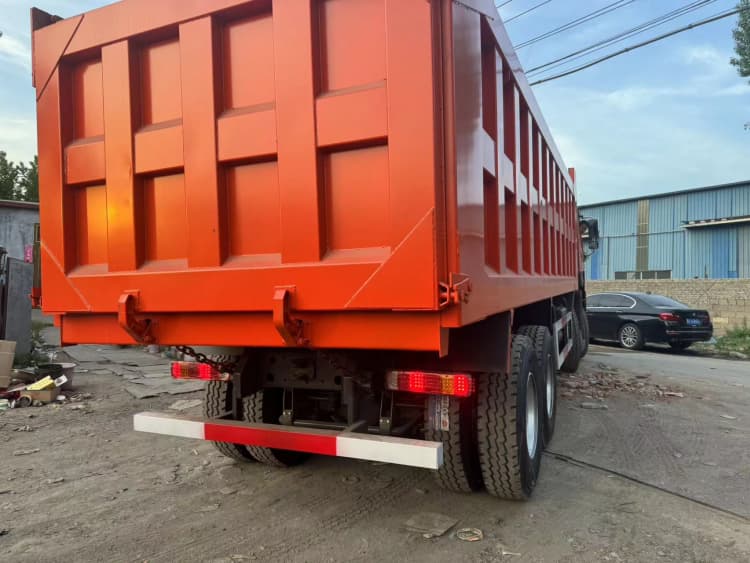
In many cases, fleets using genuine reman trucks gain a competitive edge when bidding for projects with strict sustainability clauses. For contractors and haulage firms, choosing remanufacturing is no longer only an environmental choice. It becomes a business necessity to remain eligible for high-value contracts.
Carbon Taxes and Border Carbon Adjustment Raise Costs for High-Emission Goods
Some jurisdictions apply carbon taxation or border carbon adjustment mechanisms. These policies impose extra charges on products with high carbon footprints at the point of production or import. Brand-new heavy trucks, with high embodied emissions, fall under these cost burdens.
Genuine reman trucks reduce this exposure. Since standardized reman workflow largely avoids virgin material processing, their associated carbon levy is much lower. Over a fleet renewal cycle, this creates measurable financial savings while keeping operators aligned with cross-border carbon rules.
ESG Reporting Obligations Push Fleets Toward Verifiable Circular Solutions
Investors, insurers and business partners demand consistent ESG disclosures. Generic sustainability statements carry little weight. Regulators and auditors look for tangible, traceable actions that cut emissions. Standardized reman workflow is one of the easiest fleet-level actions to quantify. The carbon saving calculation is clear: retained core assemblies eliminate emissions from new manufacturing.
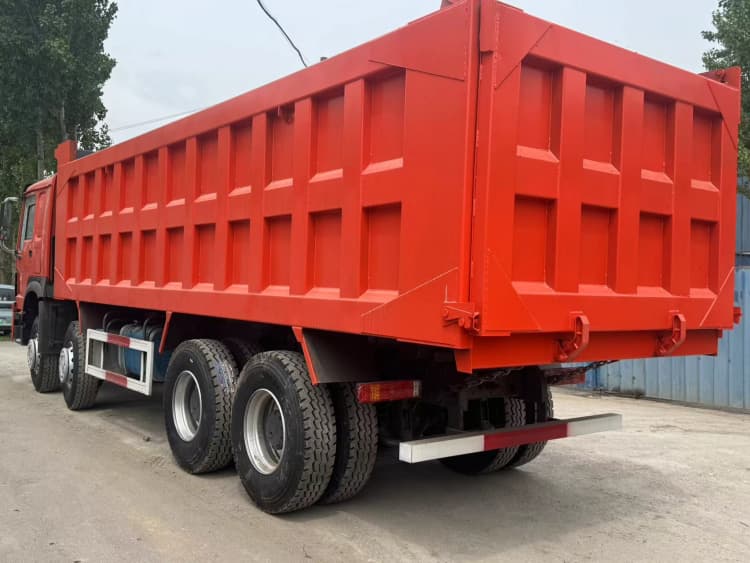
By adding REMAN ROAD genuine reman trucks, fleet managers can strengthen ESG reports with concrete, auditable carbon reduction results, improving corporate ratings and stakeholder confidence.
Standards Harmonisation Makes Reman A Trustable Compliance Solution
A major barrier in the past was inconsistent definitions. Many rebuild operations claimed low-carbon status without formal standards. New carbon and circular economy regulations define clear reman criteria: full disassembly, inspection, NDT screening, mandatory wear-part replacement and performance validation.
Only trucks that complete this full standardized reman workflow qualify as genuine reman trucks. This harmonised standard removes greenwashing risk, allowing regulators and buyers to distinguish genuine reman trucks from ordinary used or refurbished trucks.
Conclusion
Global carbon regulations accelerate remanufacturing adoption by shifting focus toward full-lifecycle emissions, enforcing disclosure and rewarding low-carbon asset choices. REMAN ROAD genuine reman trucks give fleets a practical, auditable way to reduce embodied carbon without sacrificing operational performance. As carbon accounting rules tighten worldwide, remanufacturing will keep gaining traction as a compliant, cost-effective fleet solution for heavy transport.