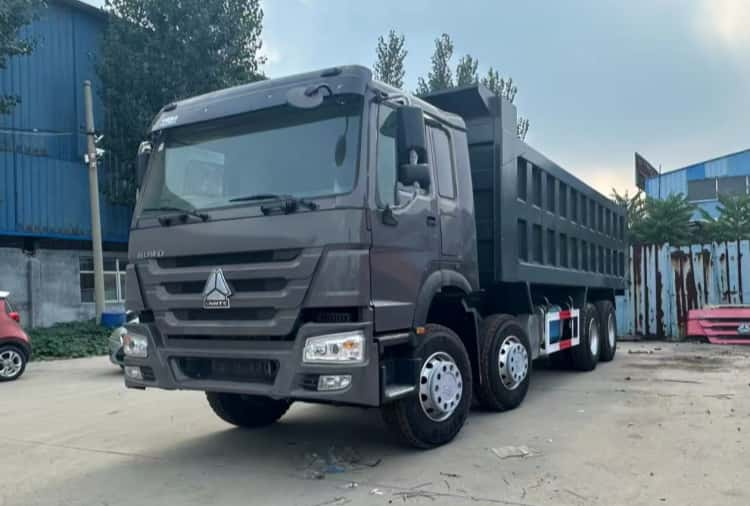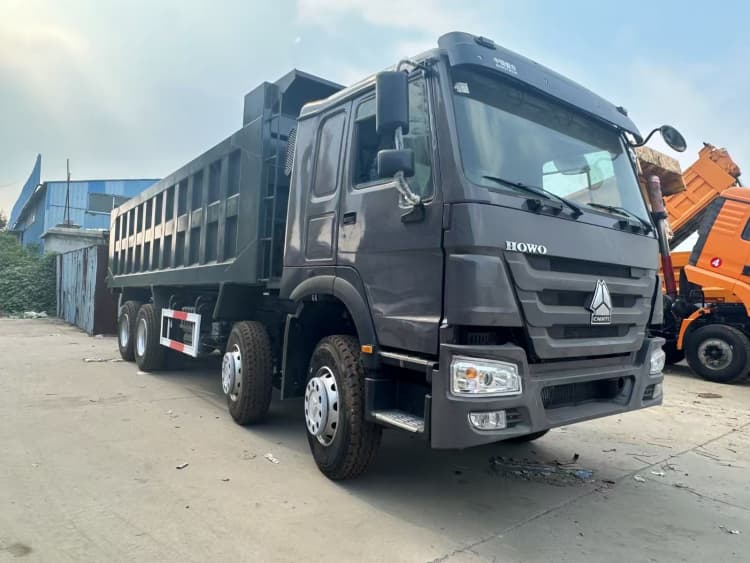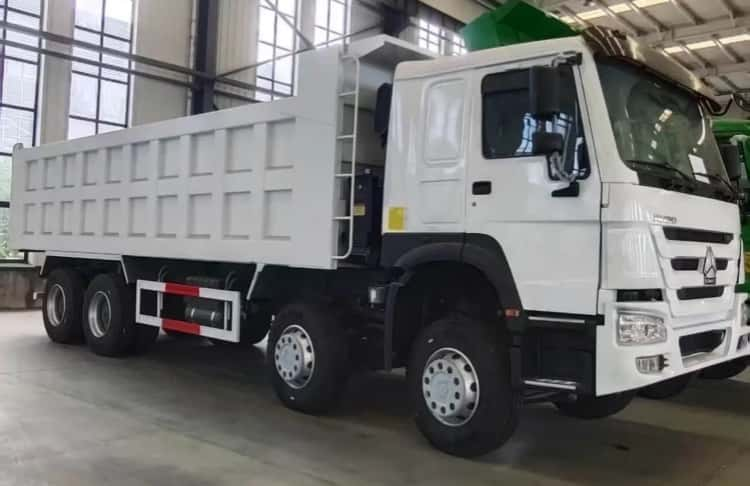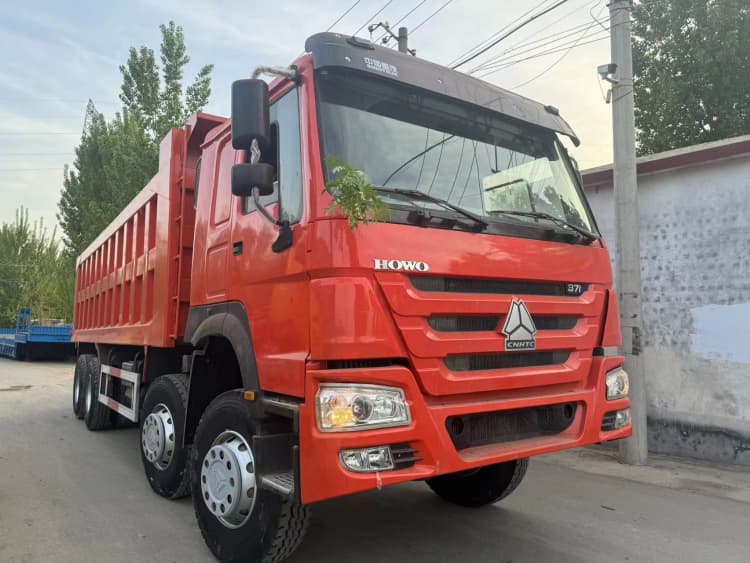
Raw Material Shortages: One Big Driver Behind Reman Industry Growth
Introduction
Global heavy vehicle manufacturing relies heavily on virgin steel, alloy, casting feedstock and specialised metallic materials. Geopolitical shifts, mining limits and surging worldwide equipment demand have repeatedly tightened access to these key raw materials. Shortages push up material pricing, extend production lead times and make new truck delivery schedules unpredictable.
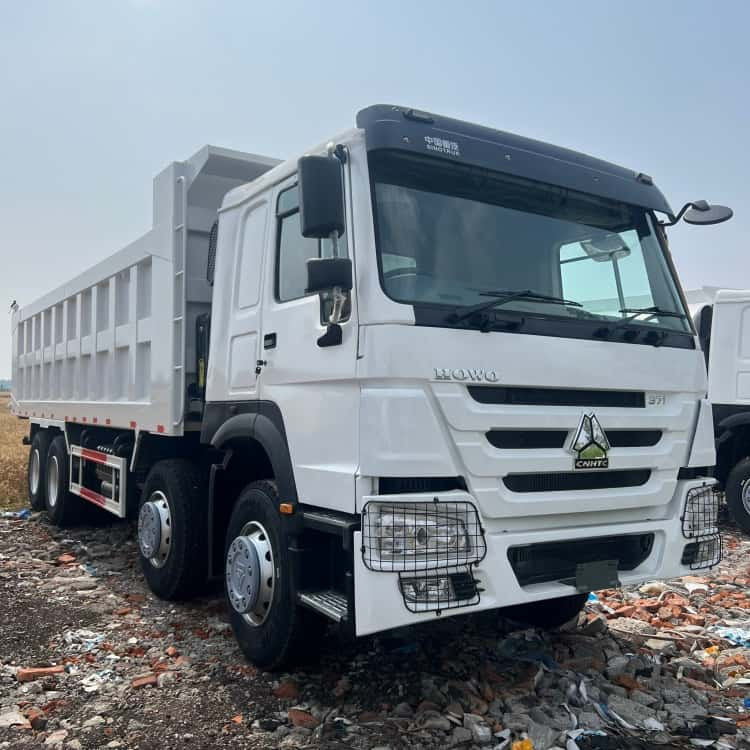
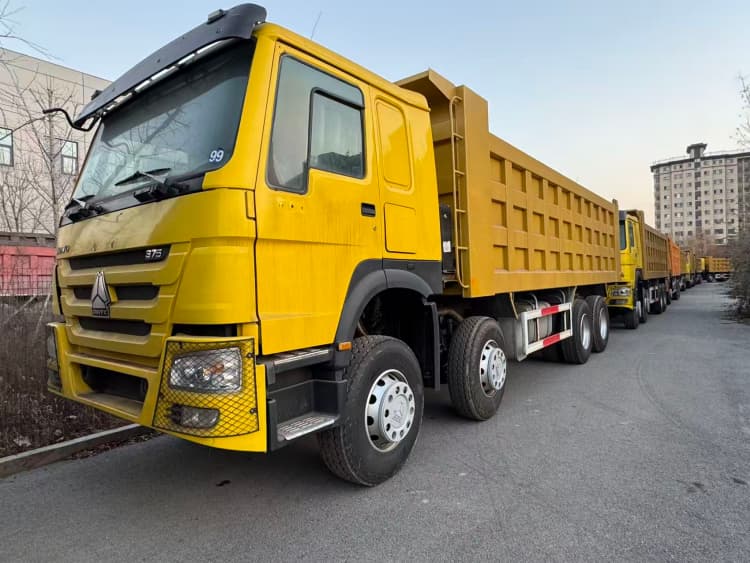
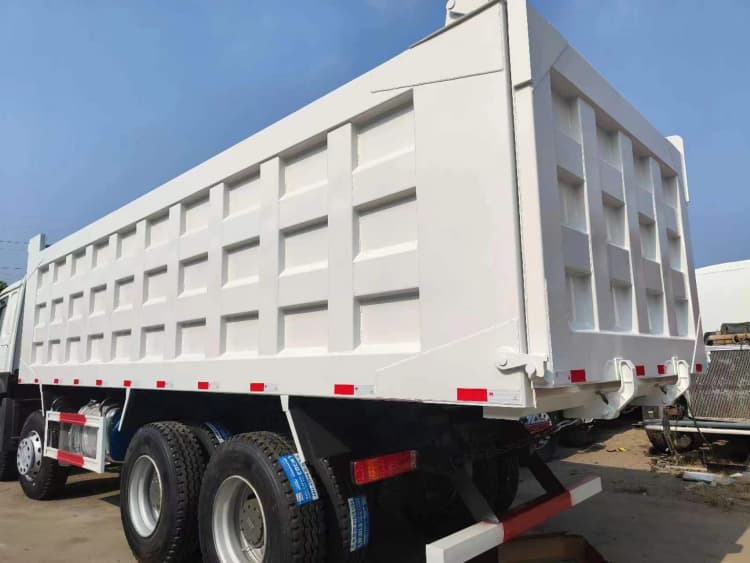
Against this backdrop, certified truck remanufacturing has emerged as a powerful workaround. Instead of building everything from scratch, REMAN ROAD preserves qualified, high-value vehicle cores through industrial certified truck reman workflows. This model cuts dependence on limited raw material supplies and becomes one of the strongest engines driving the rapid expansion of the professional reman industry.
Virgin Material Supply Limits Restrict New Heavy Truck Output
Every brand-new heavy truck requires massive volumes of newly mined and processed raw materials. When ore, alloy and high-grade steel supplies run tight, OEM production lines slow down. Even if fleets can afford the purchase price, they often face long waiting lists for new vehicle delivery.
Raw material scarcity creates a clear bottleneck: demand for capable heavy trucks keeps rising, while the capacity to manufacture new units is capped by resource availability. Certified truck remanufacturing bypasses this bottleneck, because its core assets are already extracted, forged and machined in prior production cycles.
Remanufacturing Retains High-Value Core Assets Instead of Extracting New Resources
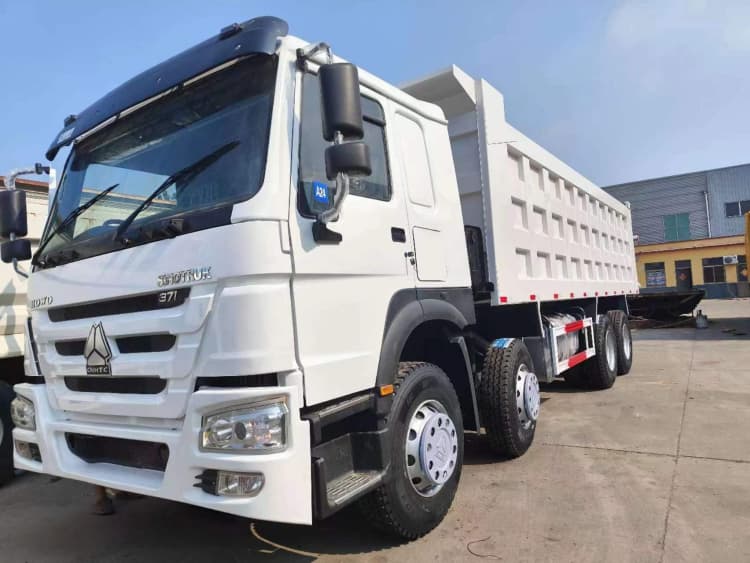
The chassis frame, engine block, axle housings and major castings of a heavy truck represent huge embedded material and energy value. If they pass NDT inspection and dimensional verification, these components remain fully serviceable.
Certified truck remanufacturing keeps these core structures in circulation, only replacing failed or worn consumable and damaged parts. This drastically reduces the need for virgin mineral extraction and metal smelting. Unlike scrap recycling, which melts components down back into basic metal stock, certified truck remanufacturing retains the finished precision geometry of critical assemblies, preserving far more of the original manufacturing value.
It Shields Fleets And Manufacturers From Volatile Raw Material Price Swings
Raw material prices swing sharply when supply is constrained. These cost increases are inevitably passed on to buyers of brand-new trucks. Certified standard reman trucks avoid most of this exposure. The main value of the vehicle sits in the recovered core, not newly purchased raw materials.
While certified truck reman still requires new bearings, seals and friction materials, these smaller consumables account for a much smaller share of total vehicle value. This creates a more stable price curve for reman stock, helping fleet operators avoid sudden budget shocks triggered by commodity market spikes.
Shorter Lead Times Help Ease Supply Chain Pressure
When raw material shortages slow new vehicle manufacturing, delivery lead times stretch to many months. For fleets needing to expand quickly, this delay can restrict contract capacity and revenue. Professional reman facilities build up pools of inspected, qualified cores. Once a core goes into production, the reman cycle is far faster than full manufacturing.
REMAN ROAD’s standardised certified truck reman workflows — full disassembly, cleaning, inspection, part renewal and performance testing — enables finished trucks to be available much sooner. It acts as a supplementary supply channel when the new-vehicle pipeline is constrained.
Distinction: Certified Truck Reman Is Not Equivalent To Scrap Recycling
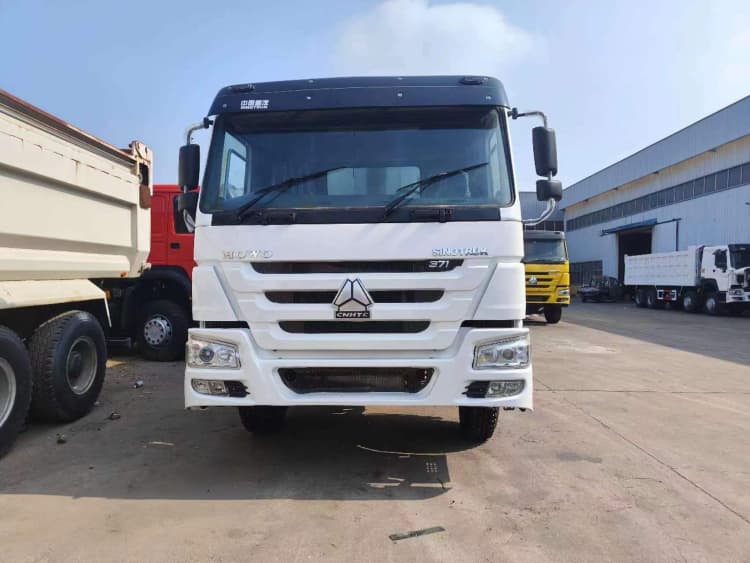
Many people confuse certified truck remanufacturing with metal recycling. Recycling melts down components, destroying their precision engineering shape and turning them back into generic raw material. Remanufacturing preserves the functional form of load-bearing assemblies.
This difference matters greatly under resource pressure: recycling only recovers basic material, while certified truck remanufacturing recovers a finished, ready-to-restore engineering asset. This is why regulators and industrial planners increasingly view certified truck reman as a higher-value circular solution than melting usable vehicle structures.
Aligns With Strategic Resource Security Plans
Many governments and large fleet groups treat raw material security as an operational risk. Over-reliance on imported ore and refined alloys creates vulnerability to export restrictions and cross-border logistics disruption. Certified truck remanufacturing builds local circular material loops.
Collected vehicle cores become a domestic, controllable resource bank. For operators and procurement teams, investing in standard reman trucks is not just an economical choice; it supports supply chain resilience and reduces exposure to global resource competition.
Conclusion
Raw material shortages push remanufacturing forward because it unlocks value from existing finished vehicle cores, reducing the industry’s hunger for virgin mineral resources. REMAN ROAD’s standardised certified truck reman workflows turns serviceable used trucks into reliable, certified assets without requiring fresh large-scale material production. As resource competition and price volatility persist, certified truck remanufacturing will continue to grow as a stable, resource-efficient way to satisfy global demand for heavy transport capacity.