Volatile Steel And Metal Prices: Why Heavy Reman Will Keep Growing?
Introduction
Global steel, alloy and cast metal prices swing constantly, driven by geopolitical tensions, ore supply disruptions, energy cost spikes and shifting trade restrictions. Every brand-new heavy truck depends heavily on these raw materials, so price volatility pushes up OEM production costs and delivery lead times.
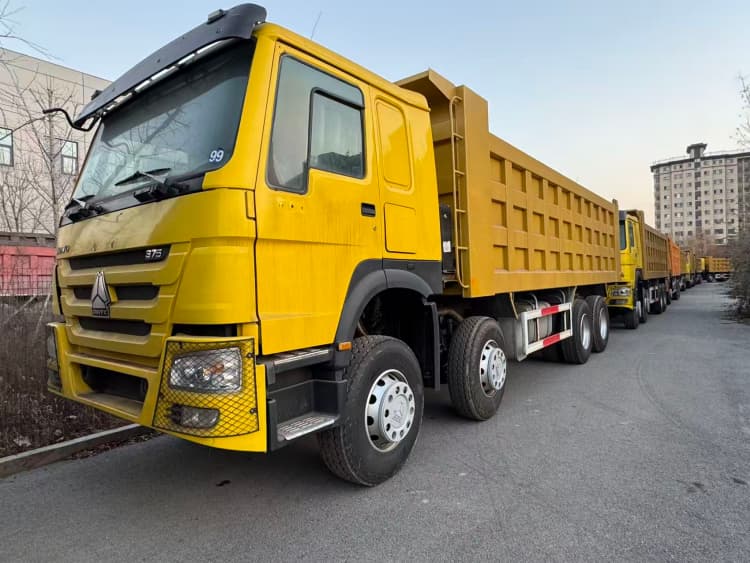
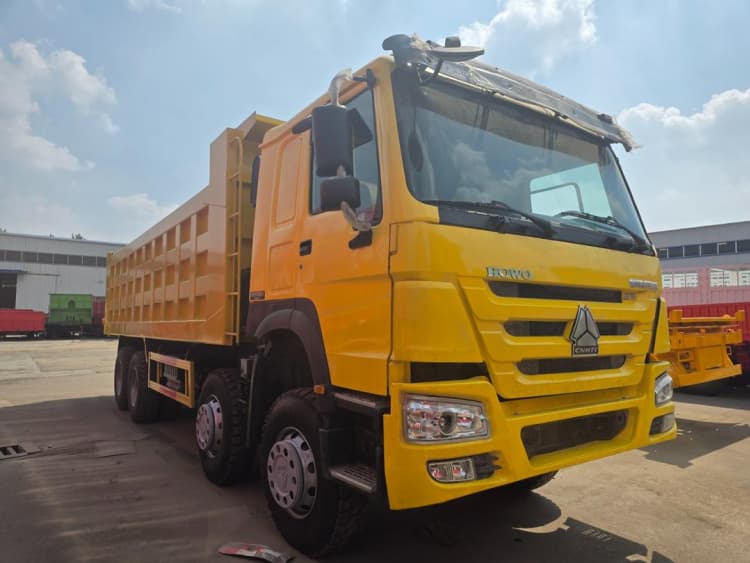
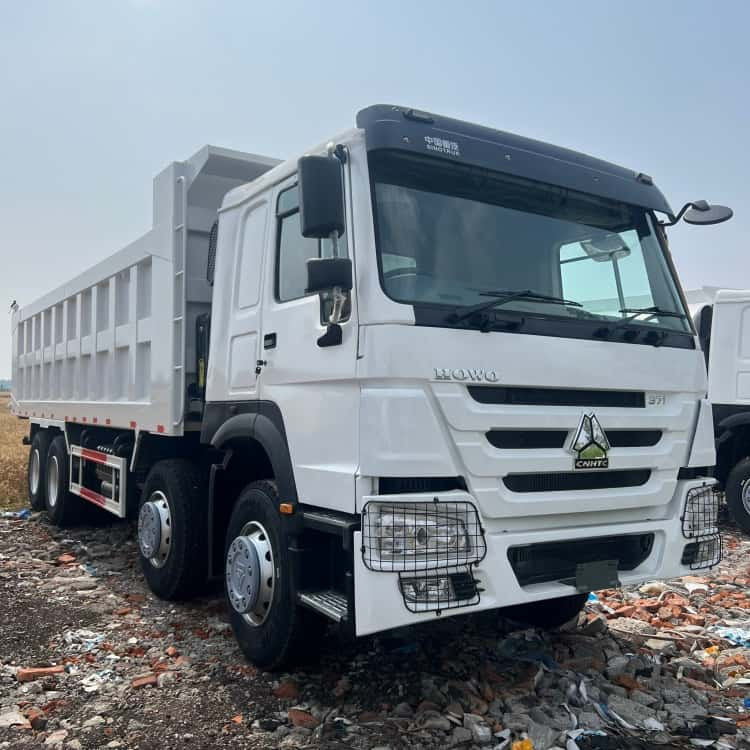
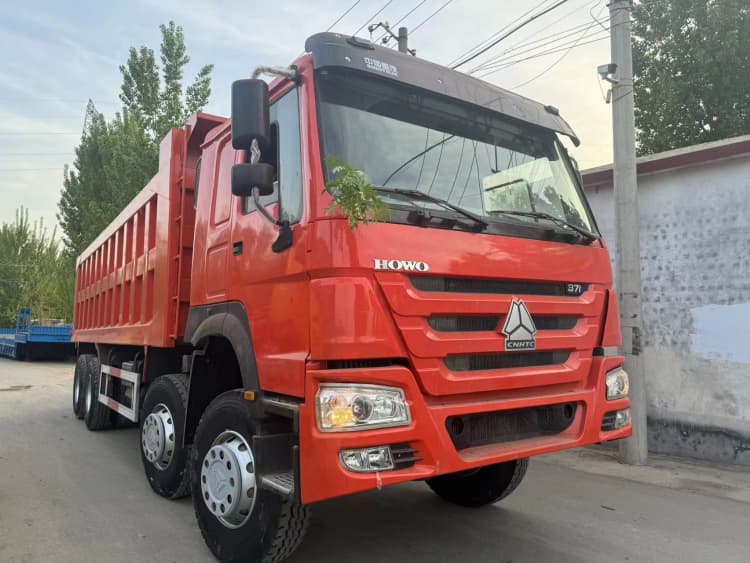
Heavy remanufacturing breaks this exposure. REMAN ROAD’s standardised reman trucks model preserves fully inspected, high-value vehicle cores instead of relying on virgin metal production. This market buffer is a core reason professional heavy remanufacturing will keep expanding, even when metal markets remain unpredictable.
New Truck Production Is Directly Exposed To Metal Market Shocks
Manufacturing a heavy truck’s chassis, engine block, axle housings and gear assemblies consumes tonnes of processed steel and alloy. When ore or steel surges in price, OEMs pass these increases straight to buyers. Many fleet managers face a difficult situation: their multi-year capital budgets are fixed, but new vehicle pricing moves outside forecast ranges.
Raw metal volatility turns planned fleet renewal into a budget risk. Certified heavy remanufacturing avoids most of this risk, because its primary asset value sits in already forged, machined core assemblies, not newly purchased virgin metal.
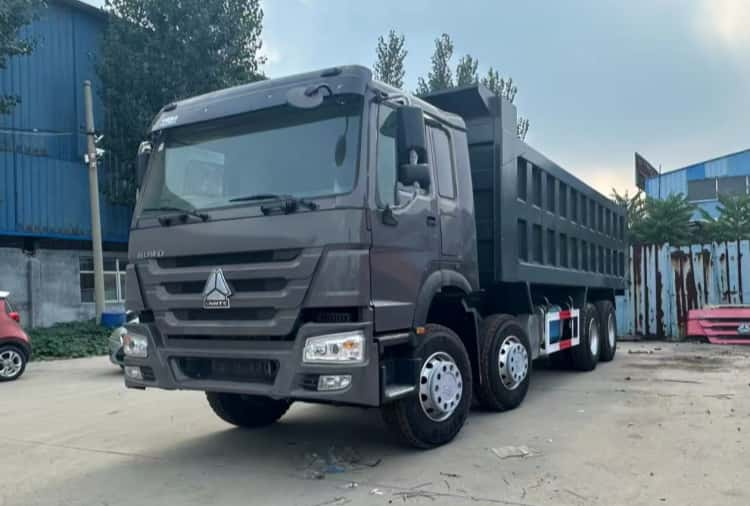
Heavy Reman Retains Pre-Fabricated High-Value Cores, Avoiding Fresh Metal Input
A qualified core that passes NDT inspection and dimensional checks already carries all the embedded manufacturing value: mining, smelting, forging, machining and heat treatment. Heavy remanufacturing only replaces worn seals, bearings, friction parts and damaged sub-components. These smaller consumables represent a minor share of total vehicle value.
Unlike recycling, which melts the whole structure back into raw scrap, genuine heavy remanufacturing keeps the precision engineered geometry intact. It locks in the value of existing metal stock and removes the need to compete for limited new steel supplies.
It Creates A More Stable Pricing Curve For Fleet Buyers
When steel prices jump, the price gap between new heavy trucks and certified reman widens. REMAN ROAD’s heavy reman pricing is anchored around core recovery, labour and replacement consumables, not commodity metal benchmarks.
While seal and bearing costs still fluctuate, their impact is far less dramatic. For finance teams, this stability makes long-term spending forecasting much easier. Fleets can plan multi-year renewal schedules without setting aside large contingency funds to absorb metal-driven price spikes.
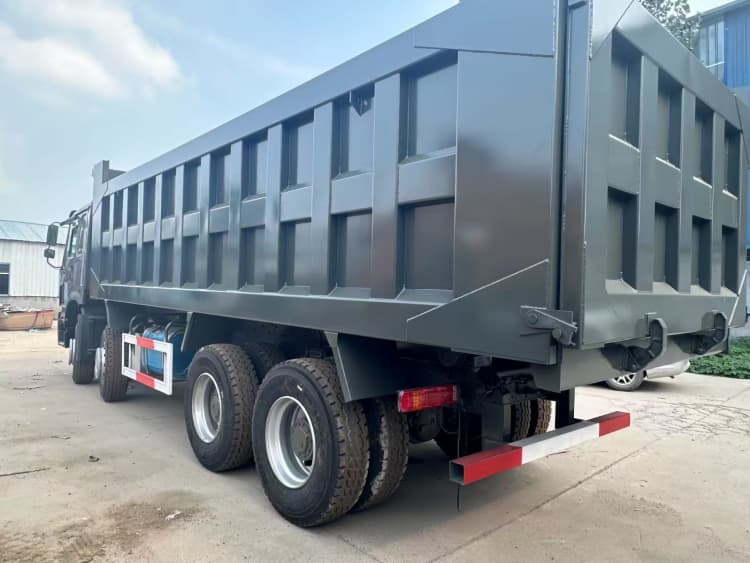
Metal Shortages Stretch New-Vehicle Lead Times; Reman Bypasses This Bottleneck
Steel mill capacity, casting foundry backlogs and export limits often slow new truck manufacturing. Even buyers willing to pay higher prices can face delivery delays of many months. Professional reman operations build up banks of pre-inspected cores.
Once a core enters the standardised remanufacturing workflow — full disassembly, cleaning, NDT inspection, wear-part replacement and load testing — the rebuild cycle is far shorter than factory production. Certified heavy remanufacturing acts as an alternative supply stream when metal shortages restrict new truck output.
Reman Reduces Exposure To Carbon And Tariff Levies On High-Emission Metal Goods
Many jurisdictions impose carbon levies, import duties and border carbon charges on high-emission metal products. Virgin steel and alloy production carries heavy emissions, so brand-new trucks attract higher associated levies.
REMAN ROAD standardised reman trucks cut embodied emissions and reduce reliance on primary metal output. This lowers exposure to these extra charges. For cross-border mining and infrastructure fleets, this advantage adds up across large import batches and protects operating margins.
Standard Heavy Reman Quality Turns A Commodity Risk Into Controlled Circular Value
Cheap scrap recycling also reuses metal, but it destroys the precision engineering form of vehicle assemblies. Heavy remanufacturing is distinct: it recovers a functional, rebuild-ready industrial asset. Mature reman standards define clear acceptance rules for cores, mandatory inspection and final performance validation.
Every REMAN ROAD standardised reman trucks comes with traceable logs and formal certification. This trusted standard means buyers are confident the stable price is not a trade-off for compromised reliability.
Resource Security Policies Further Support Reman Expansion
Many nations view metal and ore dependence as a strategic risk. Building local core loops through standardised remanufacturing workflow reduces reliance on imported ore and cross-border metal shipments. Fleets and governments increasingly see reman as a practical way to improve resource resilience.
Combined with ESG and circular economy targets, this policy support creates a favourable backdrop for the heavy reman sector to keep growing amid persistent commodity turbulence.
Conclusion
Volatile steel and metal prices drive heavy remanufacturing growth because it decouples fleet expansion from the unpredictable virgin metal supply chain. REMAN ROAD standardised remanufacturing workflow leverage qualified, inspected cores to deliver near-new operating performance while smoothing budget volatility and shortening delivery timelines. As raw material markets continue to swing, heavy remanufacturing will remain a reliable, cost-resilient fleet solution for global transport, construction and mining buyers.