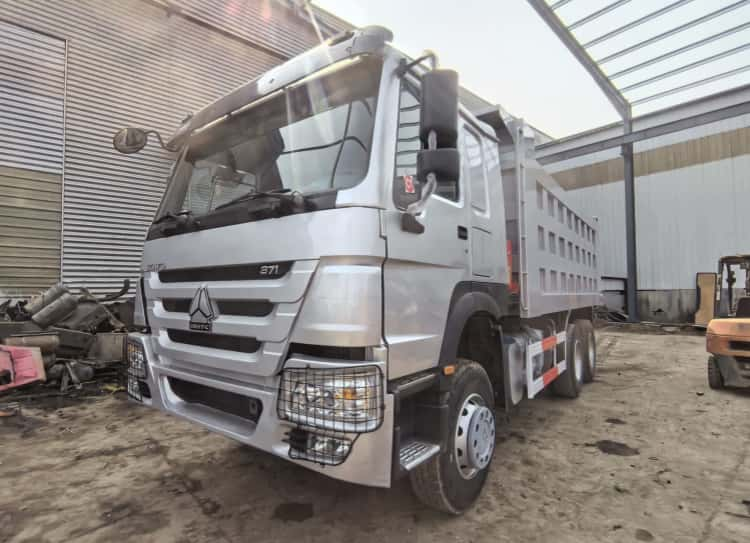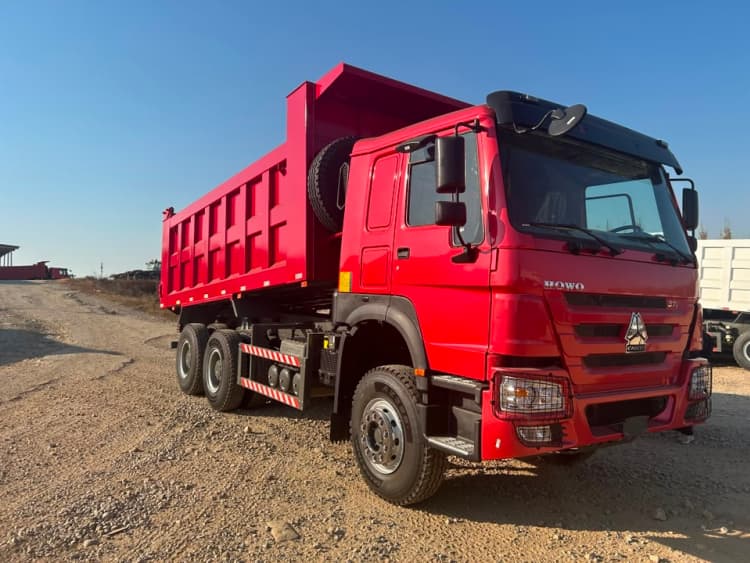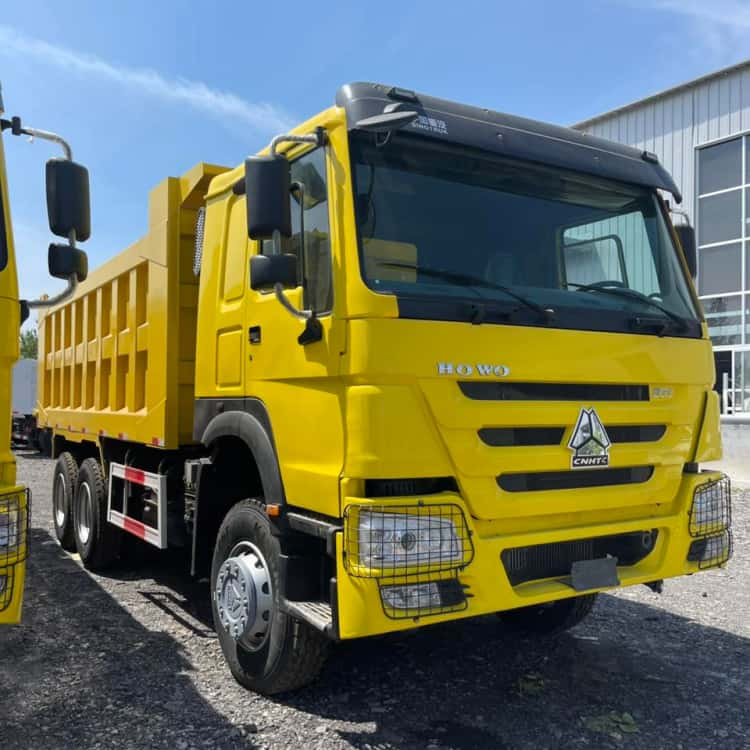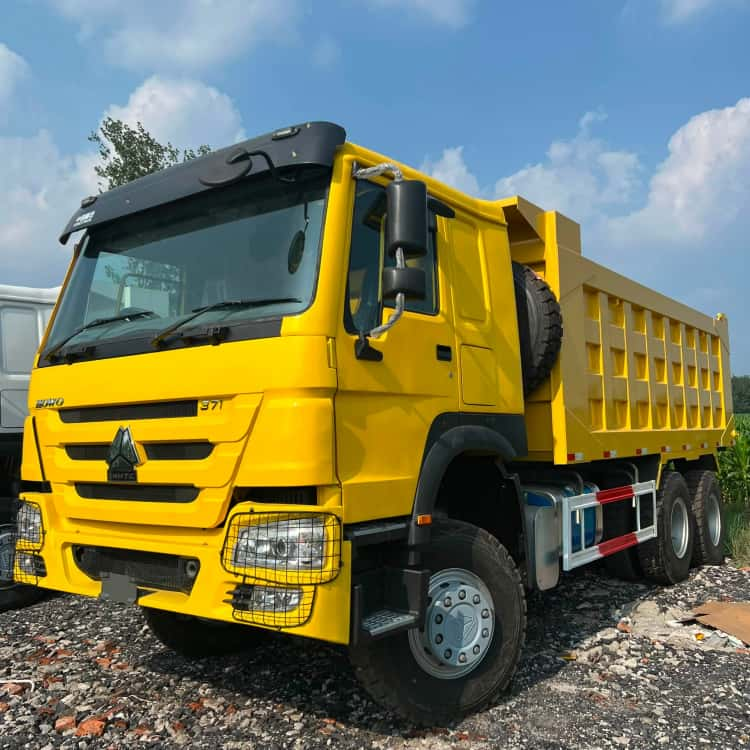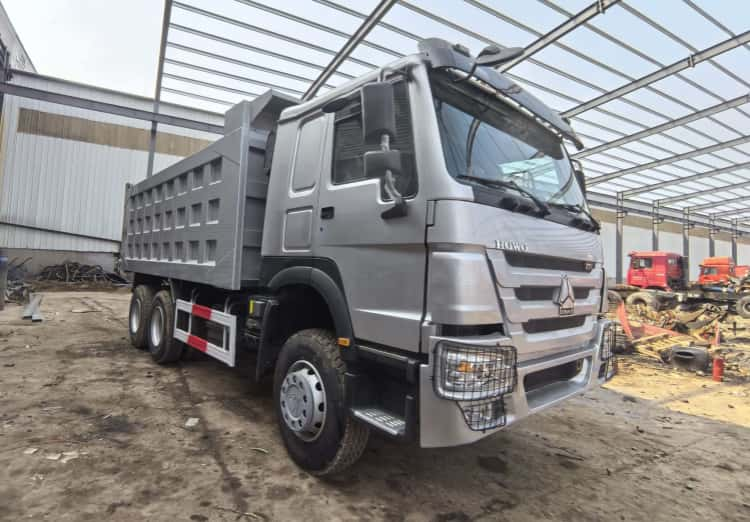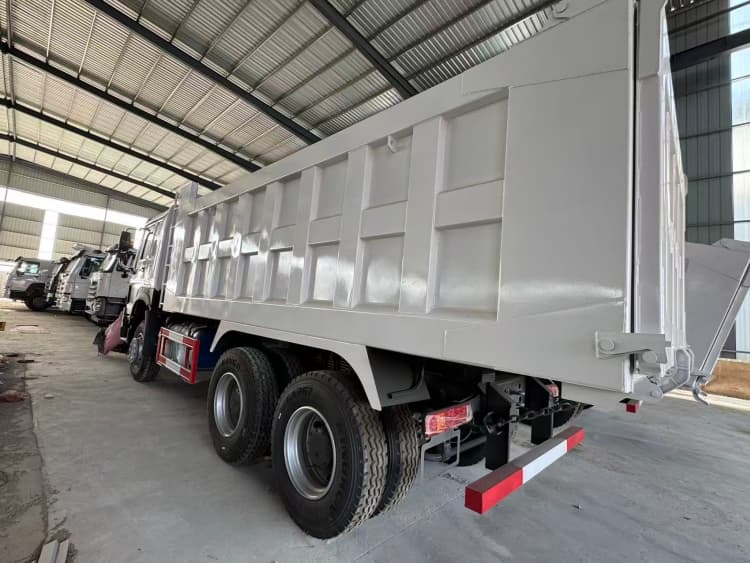
Can Genuine Remanufactured Dump Trucks Match New-Vehicle Performance?
Introduction
A common concern among mining, quarry and construction fleet buyers is whether certified remanufactured dump trucks can deliver the same power, stability and reliability as brand-new vehicles. Many assume any reused core will inherently underperform or carry hidden weaknesses.
The answer is nuanced: properly certified genuine remanufactured dump trucks from REMAN ROAD can meet OEM-specified functional performance benchmarks, matching the rated output, load capacity and operational stability of new trucks.
Still, there are important differences in baseline asset history and residual lifespan that buyers must recognise to set realistic procurement expectations. This distinction separates high-standard certified remanufactured dump trucks from low-cost refurbished trucks that cannot reach new-vehicle performance targets.
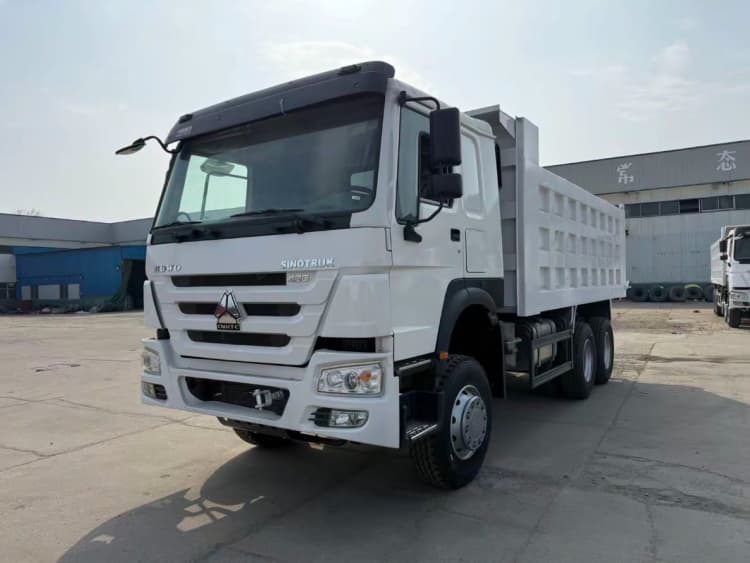
Performance Benchmarks: Certified Remanufacrued Dump Trucks Hit OEM Design Specifications
The core performance metrics for heavy dump trucks are defined by original OEM engineering standards, including peak engine power, torque curve, hydraulic lifting speed, braking distance, steering response and chassis load rating. REMAN ROAD’s certified truck remanufacturing workflow is built around these fixed targets.
After full disassembly, NDT screening, precision component restoration and mandatory replacement of all high-cycle wear parts, every finished dump truck goes through dynamometer testing, hydraulic cycling and simulated heavy-load validation. Only units whose test data falls within the original factory tolerance band receive certification.
In many cases, engineers integrate updated sealing, coating or control calibrations during reassembly, which may even improve fuel efficiency or leak resistance compared with the vehicle’s original factory build. For daily site operation, this means the truck can complete the same haul cycles under rated payload as a new model.
Where Certified Remanufactured Dumps Trucks Matches New-Vehicle Capability?
- Power and drivetrain output: Engine, transmission and axle assemblies are restored or rebuilt to deliver the rated horsepower and torque, without derating for continuous heavy hauling.
- Hydraulic and braking function: Hoist cycle time, holding pressure, brake fade resistance and safety control functions are validated to new-vehicle standards.
- Operational safety: All load-bearing welds, frame sections and critical joints pass NDT inspection, eliminating fatigue cracks that would compromise structural safety.
- Warranty-backed reliability: REMAN ROAD certified truck remanufacturing’s formal warranty covers core assemblies under defined operating conditions, offering the same level of after-sales protection for performance failures as many new-equipment programmes.
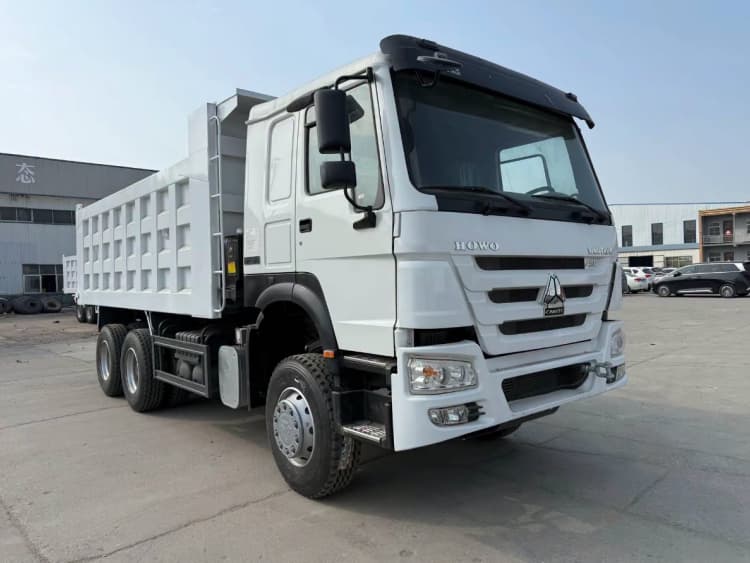
Key Differences That Distinguish Reman from a Brand-New Truck
While functional performance aligns with OEM specs, remanufactured dump trucks are not identical to new vehicles in every respect.
- First, the base core has an operational history. Even after full restoration, the original casting and frame have accumulated a known service record, unlike a zero-hour new chassis. Visual minor texture marks from prior service may remain on non-critical surfaces, even after finishing.
- Second, the total remaining service life profile differs. A new truck starts its lifecycle from zero hours; a genuine remanufactured dump trucks resets its usable service life through component renewal, but the theoretical maximum full lifecycle will not be identical to a factory-new chassis. This does not compromise its rated performance within the warranty window, but it shapes long-term fleet depreciation planning.
- Third, new vehicles often carry broader factory coverage, including full bumper-to-bumper terms and original emission compliance documentation directly from the OEM, while reman certification follows REMAN ROAD’s independent audited standard aligned with industrial reman norms.
Why Refurbished or Overhauled Units Fail to Reach This Standard?
It is critical to stress that this “matching performance” promise only applies to fully certified truck remanufacturing. Simple overhaul and cosmetic refurbishment do not reset the whole vehicle’s performance envelope. These lighter processes skip mandatory NDT screening, partial wear-part replacement and systematic load testing.
A refurbished truck may run well at light loads, yet its power delivery, braking consistency and structural integrity will degrade faster under continuous heavy mining cycles. This is why buyers should never equate a repainted rebuilt truck with a REMAN ROAD genuine remanufactured dump trucks.
The Practical Value Proposition for Global Fleets
For fleet managers, performance parity creates a powerful economic advantage. Certified remanufactured dump trucks deliver new-equivalent hauling productivity at a substantially lower upfront capital cost. They also carry a far smaller carbon footprint by reusing high-value castings and metal structures, supporting ESG and circular economy goals.
When uptime, payload capacity and site productivity are the priority, reman becomes a viable alternative to new trucks — provided it comes with full test records, traceability and formal certification.
Conclusion
Genuine certified remanufactured dump trucks can match brand-new dump trucks on core operational performance, as measured against OEM design benchmarks for power, hydraulics, braking and load-bearing safety. The measurable functional output for daily heavy-duty hauling is equivalent.
The meaningful gaps lie in asset origin, visual condition and total lifecycle depreciation, not in working performance. REMAN ROAD certified truck remanufacturing’s strict testing and certification framework locks in this performance standard, giving global mining and construction fleets a sustainable, cost-efficient option without sacrificing the productivity they require from new heavy equipment.