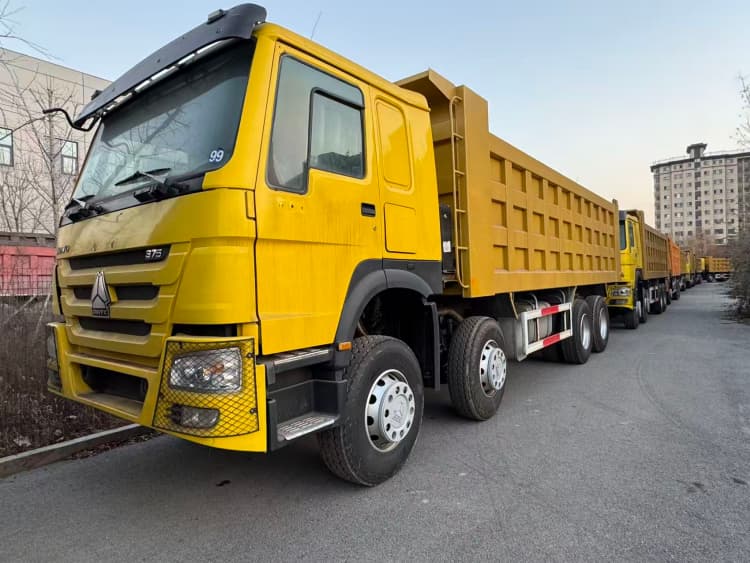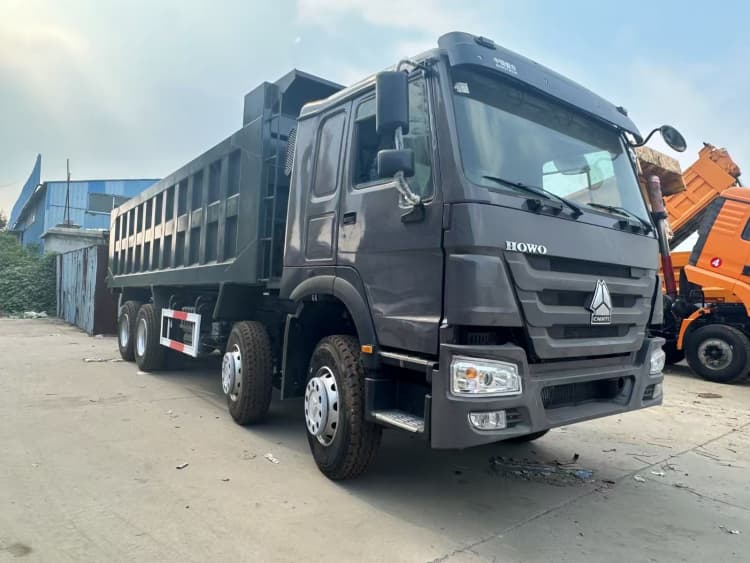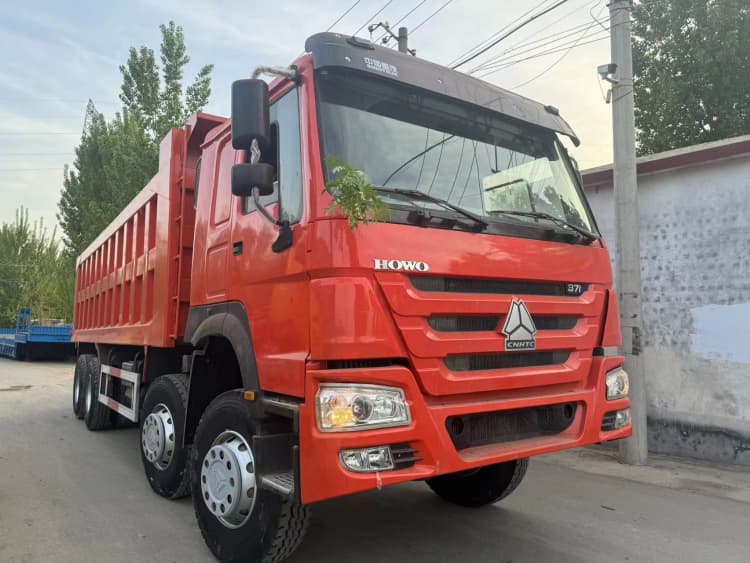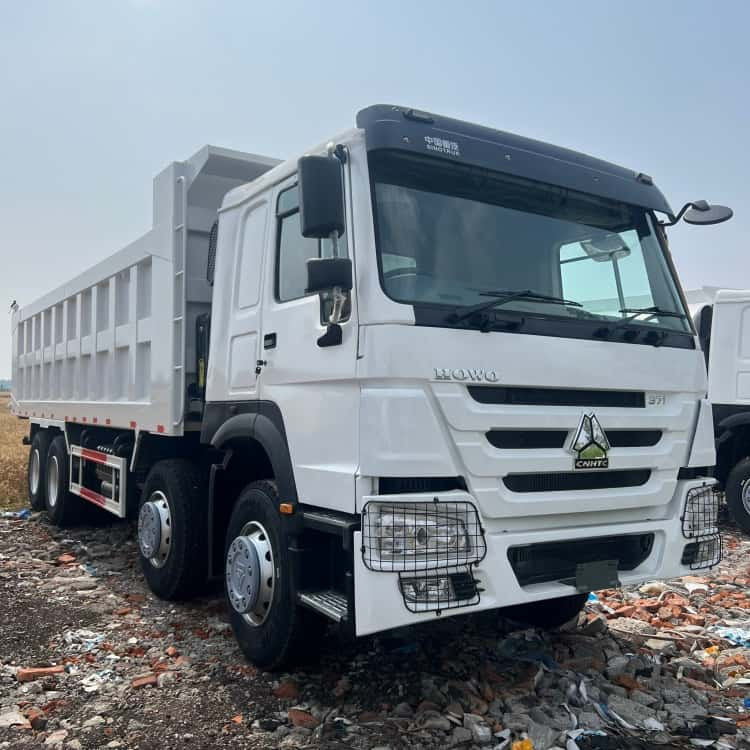
Why Verified Remanufacturing Is The Future Trend Of Heavy Transport?
Introduction
The heavy transport industry is facing simultaneous pressures: tighter cost control, stricter sustainability requirements, volatile raw material prices and rising demand for reliable fleet capacity. For decades, fleet asset strategy was limited to buying new trucks or sourcing used and informally rebuilt alternatives. Neither option delivers a balanced solution.
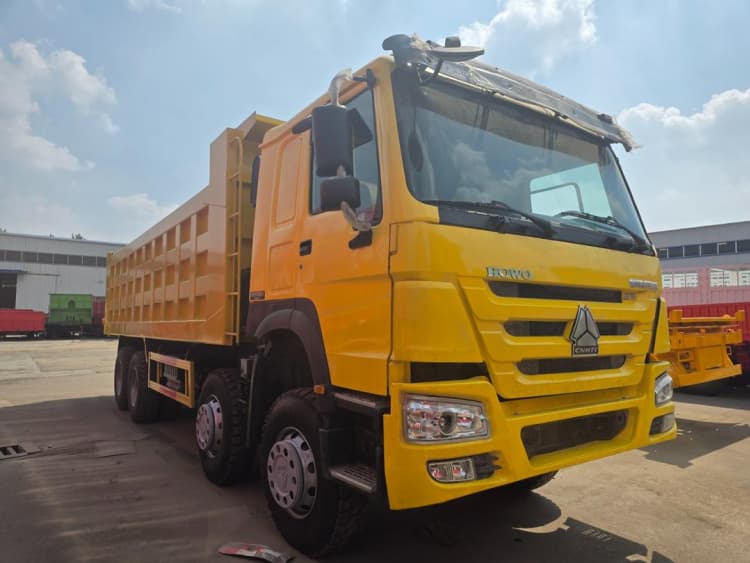
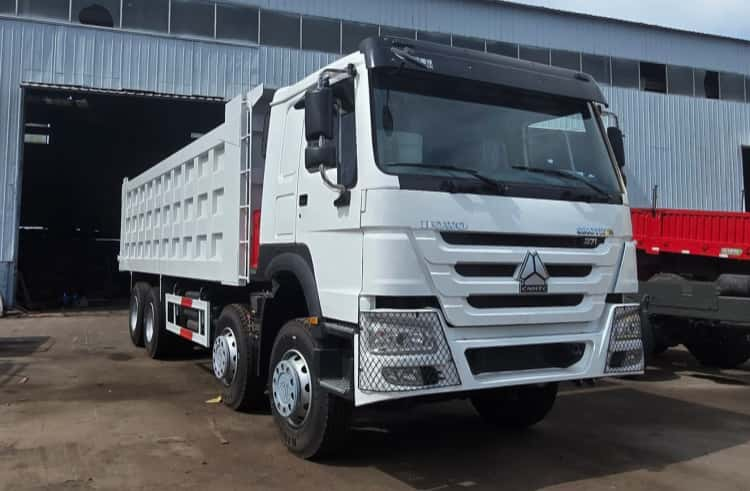
Verified remanufacturing represented by REMAN ROAD is emerging as a transformative trend. It combines industrialised rebuilding, objective inspection evidence, full traceability and near-new performance, addressing multiple industry pain points at once and redefining how fleets expand and renew heavy vehicle assets.
Global Circular Economy and Carbon Rules Drive Industry Transition
Regulators, clients and investors are increasingly pushing heavy transport to cut embodied carbon and reduce waste. Manufacturing a brand-new heavy truck consumes massive amounts of steel, casting materials and energy.
Verified remanufacturing preserves high-value core components including chassis, axles and major castings, replacing only failed or worn parts. This dramatically lowers embodied carbon per vehicle. Unlike casual rebuilds that cannot prove sustainability credentials, verified remanufacturing comes with complete process records. These verifiable reports help haulage businesses satisfy ESG reporting, tender requirements and emerging low-carbon regulations, making reman a compliant, forward-looking choice.
Volatile Raw Material and New-Vehicle Pricing Make New Purchases Risky
Raw steel, alloy and component prices keep fluctuating, which directly pushes up the price of factory-new heavy trucks. Long lead times for new vehicle orders also make fleet planning difficult.
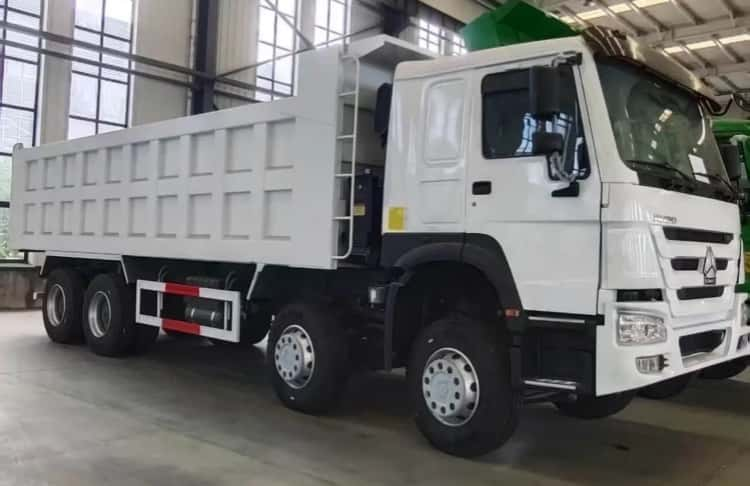
Verified remanufacturing decouples fleet expansion from the new manufacturing supply chain. By rebuilding qualified existing cores, it stabilises pricing and shortens lead times. Fleets no longer need to wait months for new factory production slots. This market resilience becomes increasingly valuable when supply chains are unstable and capital budgets are under pressure.
Fleet Operators Demand Predictable TCO Instead of Low Upfront Price Only
Buying decisions are shifting from simply chasing the lowest sticker price to optimising full-lifecycle total cost of ownership. Old used trucks and undocumented rebuilds may seem cheap initially, yet latent defects cause repeated breakdowns and unplanned spending.
Verified remanufacturing follows unified industrial reman standards: full disassembly, NDT inspection, mandatory wear-part replacement, performance testing and formal certification. It delivers predictable uptime, controlled maintenance spending and clear warranty protection. This TCO-focused value proposition matches the evolving mindset of professional fleet managers.
Digital Traceability Turns Abstract Quality Into Auditable Data
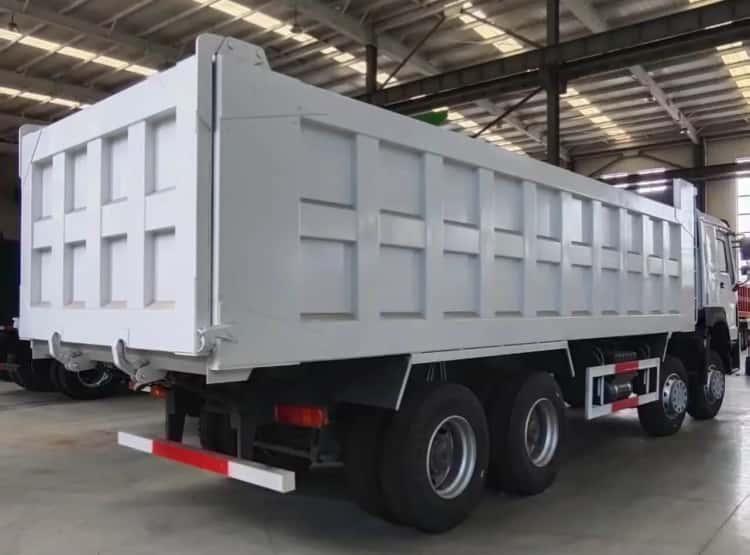
Modern heavy transport buyers no longer accept verbal promises about rebuild quality. Verified remanufacturing is built on serial-number-linked digital archives: teardown logs, NDT inspection results, component replacement lists and final performance test data.
Paired with an official quality certificate, this traceability framework answers the core doubt: “What exactly was done to this truck?” This fits the trend of digital asset management, fleet auditing, cross-border trading and third-party supplier qualification, which informal rebuilds and second-hand trucks cannot support.
It Supports Flexible Fleet Scaling to Meet Fluctuating Freight Demand
Freight and haulage demand is cyclical. Peak seasons, new project awards and infrastructure booms require rapid fleet expansion, while downturns demand flexible asset management. New trucks lock in high capital for years.
Verified reman trucks offer faster, budget-friendly scaling. They preserve residual value thanks to standard certification and documentation, making reallocation, remarketing and temporary fleet deployment far more practical. This flexibility aligns perfectly with the dynamic nature of modern heavy transport.
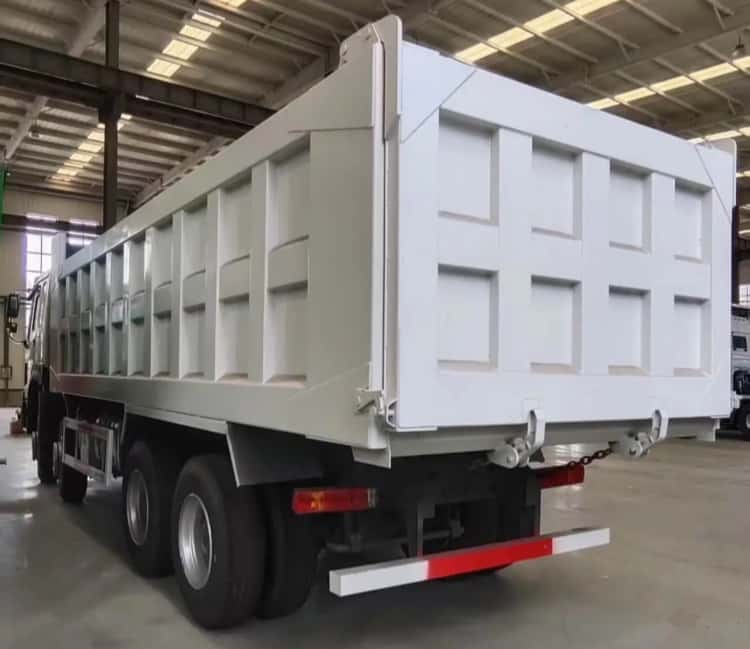
Standardised Certification Creates a Trustable Market Benchmark
One big barrier holding back reman in the past was inconsistency. Many rebuilds called themselves “remanufactured” without following defined rules. Verified remanufacturing sets clear, repeatable standards and independent certification. It creates a shared, understandable benchmark for buyers, sellers and auditors.
As more fleets recognise the difference between industrial reman standard and refurbishment, the whole market gains trust. This market maturity will attract more buyers and accelerate adoption across regional and cross-border heavy transport networks.
Conclusion
Verified remanufacturing is the future trend of heavy transport because it answers the industry’s most urgent challenges: carbon reduction, cost volatility, supply chain delays and lack of quality transparency. REMAN ROAD’s standardised, auditable industrial reman standard process turns reman from a niche low-cost option into a formal, sustainable fleet solution.
As sustainability rules tighten and fleet finance management grows more sophisticated, verified remanufacturing will keep gaining traction as a mainstream way to operate heavy transport fleets.