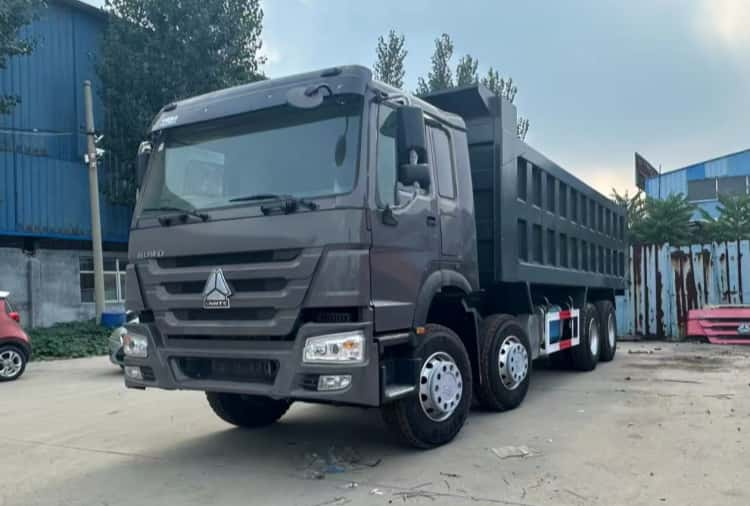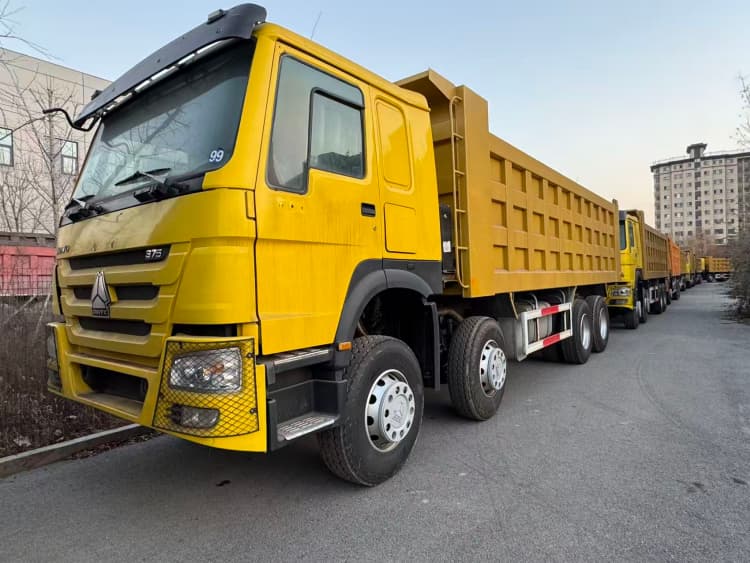
How Reman Standards Maturity Makes It The Future Of Heavy Truck Supply?
Introduction
For years, one major barrier holding remanufacturing back from mainstream heavy truck supply was inconsistency. Every rebuild shop followed its own informal rules. Work scope, inspection depth and testing methods varied wildly, so buyers could never be certain what “remanufactured” really meant.
Today, reman standards are maturing rapidly: unified technical specifications, defined process checkpoints, measurement benchmarks, NDT requirements and formal certification frameworks are widely adopted. This standard maturity turns reman from an unregulated aftermarket option into an industrialised, predictable supply stream. For REMAN ROAD and global fleet buyers, mature reman standards are the foundation that makes verified truck remanufacturing a dependable, scalable future pillar of heavy truck supply.
Mature Reman Standards Eliminate Market Confusion and Definition Chaos
In the early phase of reman growth, there was no shared definition. Many superficial refurbishment jobs were labelled as remanufactured. Buyers could not distinguish between a fully rebuilt truck with NDT inspection and a lightly patched-up unit with partial component replacement.
Mature reman standards clearly draw the dividing line: verified truck remanufacturing requires full disassembly, thorough cleaning, precision dimensional inspection, mandatory non-destructive testing, unconditional replacement of all high-cycle wear parts, load simulation testing and serial-number traceability.
These fixed, written criteria give buyers, customs officers, auditors and suppliers a common language. No longer does the meaning of reman depend on a seller’s personal interpretation.
Unified Process Rules Enable Stable, Repeatable Production Output
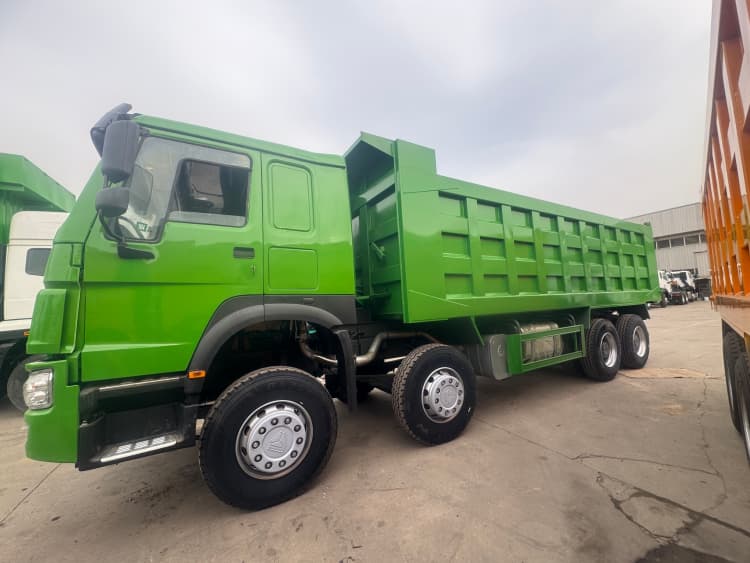
Without consistent reman standards, every rebuild is custom work. Output speed and quality fluctuate heavily, which makes bulk ordering and delivery scheduling impossible. Mature standards define repeatable workflows for every production stage: core incoming qualification criteria, cleaning procedures, inspection tolerances, repair limits, reassembly torque specifications and final test parameters.
REMAN ROAD verified truck remanufacturing applies these unified rules across every truck rebuild. Production becomes more like controlled manufacturing rather than custom repair work. Fleet buyers gain consistent quality unit after unit, even when placing large batch orders for multiple mine, construction or transport sites.
Quantified Technical Benchmarks Remove Subjective Quality Judgement
Good reman standards rely on measurable numbers instead of subjective judgement. They define clear tolerance thresholds for crankshaft journals, gear tooth wear, structural fatigue limits, power output, pressure stability and braking performance. NDT acceptance criteria are clearly documented. Any component outside the published limits must be scrapped.
This removes the risk of technicians making compromise decisions to save cost. For fleet managers, this means verified truck remanufacturing quality is judged by objective data, not visual appearance or seller promises. It also makes third-party audit straightforward, because inspection results can be cross-referenced directly against the standard.
Standards Build Trust Across Cross-Border Procurement Channels
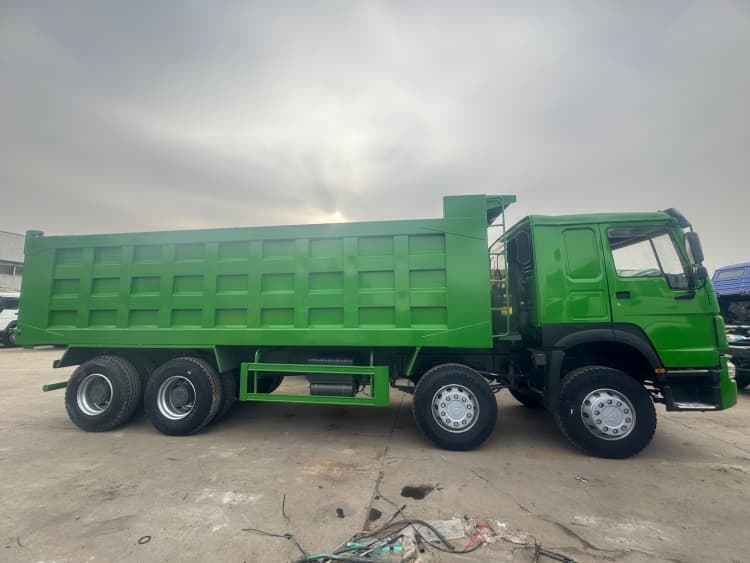
Cross-border truck trade suffered heavily from inconsistent local rebuild practices. A rebuild acceptable in one country might not meet the import or tender standards of another. Harmonised mature reman standards create internationally recognisable benchmarks.
When a reman truck is produced against these standards, its accompanying quality certificate and inspection logs are understandable to buyers, inspectors and auditors in different regions. This drastically reduces friction for international infrastructure and mining fleets importing trucks across borders. Verified, standard-compliant reman truck become easier to clear, qualify and resell on global markets.
Standardisation Supports Scaling of the Whole Reman Supply Ecosystem
Mature standards do not only govern the rebuild plant. They also create clear guidance for core sorting, spare part matching, testing equipment calibration and technician training. Remanufacturers can produce matched reman spare kits aligned to the same standard. Technician training programmes can follow identical syllabuses.
As the whole ecosystem aligns to one benchmark, core sourcing, parts supply and after-sales support all become easier to organise. This ecosystem maturity is essential for reman to grow beyond small-batch custom orders and become a continuous, large-volume supply source for heavy truck fleets.
Formal Certification and Warranty Become Credible Because of Underlying Standards
A manufacturer can only confidently issue a meaningful warranty when its work follows enforceable standards. Informal remanufacturers cannot offer long, clear warranty coverage because their process is inconsistent. Mature standards give manufacturers the confidence to stand behind their output.
REMAN ROAD verified truck remanufacturing’s formal warranty is rooted in compliance with these defined standards. The warranty is not a marketing gesture; it is a logical outcome of a controlled, auditable process. For fleets, this accountability is a critical differentiator when comparing supply options.
Standards Complement Circular and Carbon Regulations
Regulators, tender evaluators and ESG auditors increasingly require circular claims to be backed by defined technical rules. Mature reman standards provide the compliance backbone.
When a fleet reports embodied carbon savings or circular resource reuse, it can reference the standard to prove that the truck is genuine reman, not just a used truck with cosmetic updates. This alignment makes verified truck remanufacturing the preferred option for public procurement, ESG reporting and low-carbon tender evaluation.
Conclusion
The maturity of reman standards transforms heavy truck supply by removing quality uncertainty, enabling scalable production and creating globally understandable benchmarks. REMAN ROAD’s compliant reman trucks are built on these mature standards, turning reman into a predictable, auditable supply stream that complements new vehicle manufacturing. As these standards continue to spread worldwide, compliant reman trucks will become a default, trusted supply channel for heavy truck fleets, rather than a secondary compromise choice.