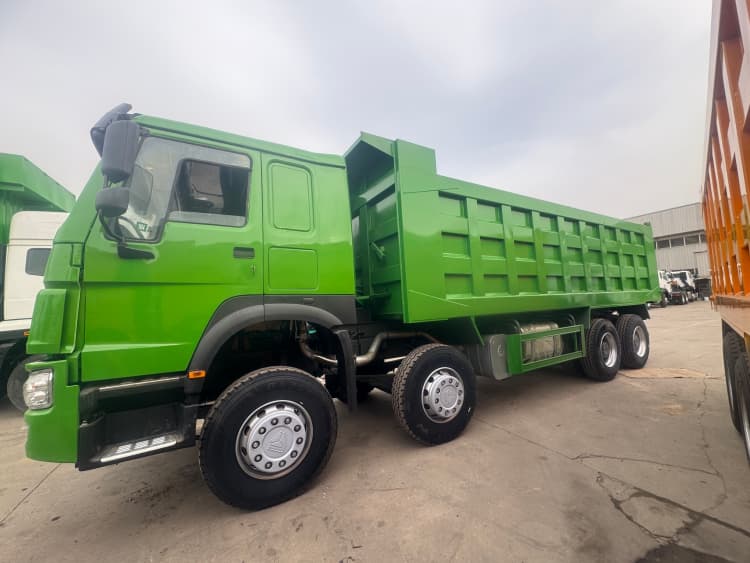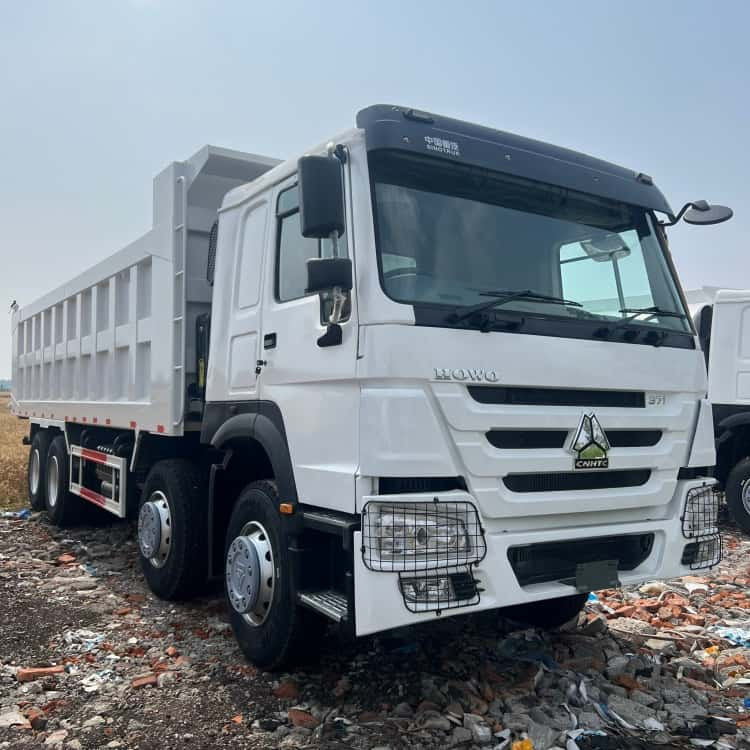
Why Emerging Infrastructure Markets Are Driving Qualified Remanufacturing Demand?
Introduction
Emerging infrastructure markets across Africa, Southeast Asia and parts of Latin America are seeing rapid waves of construction: new highways, quarry operations, water dams, urban housing and industrial zone developments. These projects create urgent demand for heavy transport capacity, yet procurement teams face hard constraints: fixed tender budgets, remote dusty worksites, uneven terrain, limited specialist service centres and strict audit requirements.
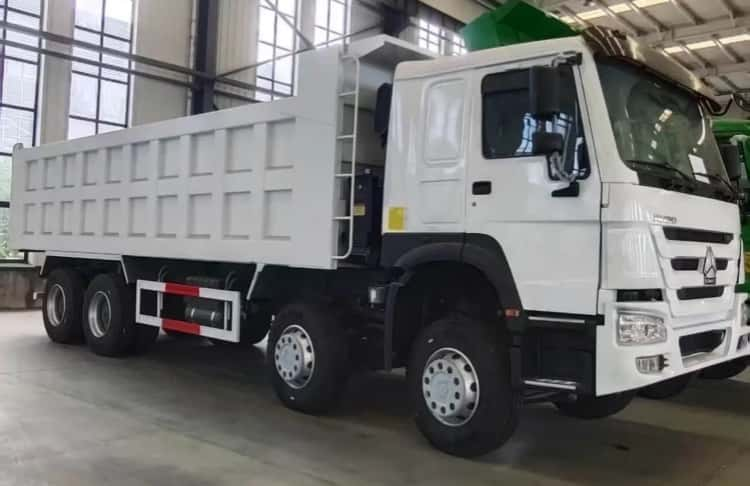
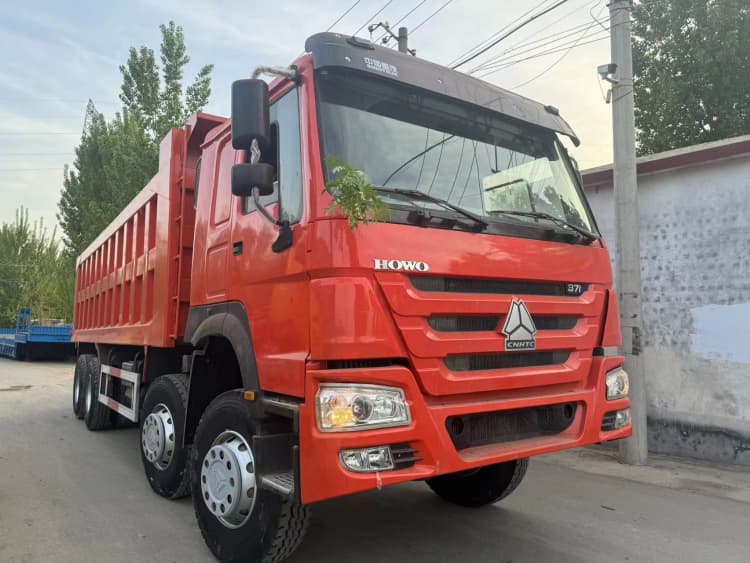
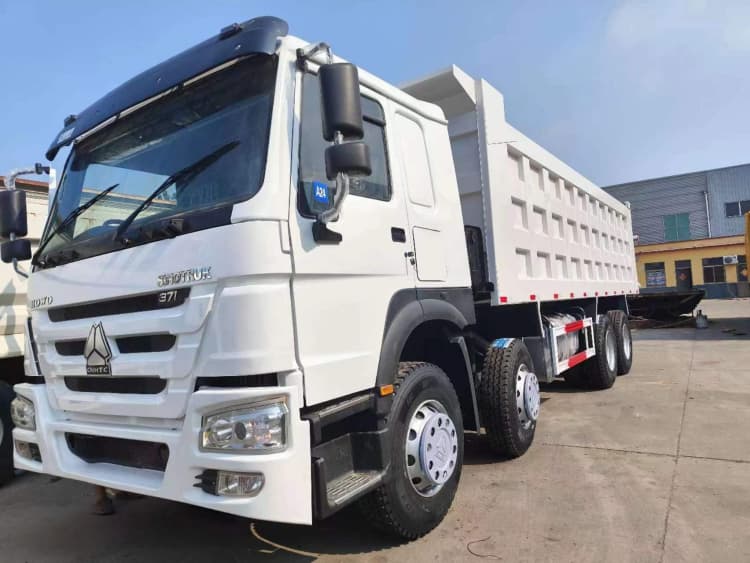
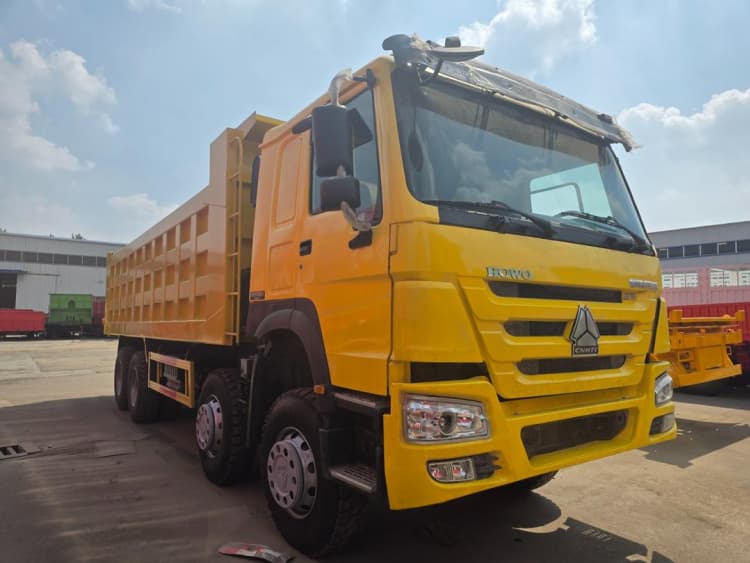
Cheap unvetted used trucks bring unpredictable breakdowns, while brand-new heavy trucks carry unaffordable price tags and long lead times. Qualified remanufacturing from REMAN ROAD fits this gap perfectly. With auditable formal remanufacturing workflow, reasonable pricing and rugged mechanical platforms, qualified reman trucks are becoming the preferred fleet choice and directly fuelling the growth of professional qualified remanufacturing demand in these fast-growing regions.
Fixed Tender Budgets Cannot Support Large-Scale New-Vehicle Procurement
Most infrastructure contracts in emerging markets are awarded on fixed bid budgets. Large one-time spending for brand-new heavy trucks can blow up the whole financial plan. Qualified reman trucks deliver near-new operational reliability at a far lower acquisition price. This lets contractors expand hauling fleets within approved budget limits, without cutting vehicle quantity.
Unlike low-cost informal rebuilds that erase savings through emergency repair bills, REMAN ROAD’s standard formal remanufacturing workflow filters latent defects upfront, so the initial cost advantage translates into stable multi-project returns. This makes qualified remanufacturing the most practical way to hit production targets under rigid tender financial controls.
Rapid Project Rollout Requires Fast Vehicle Delivery
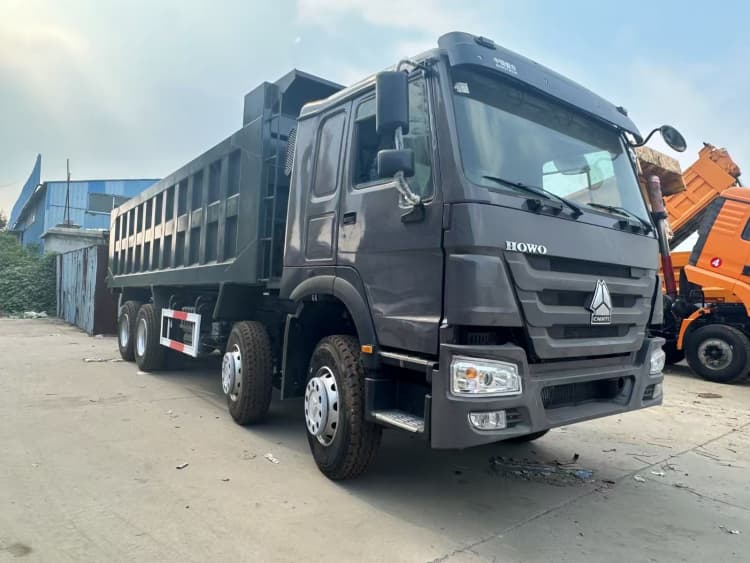
Infrastructure development in emerging economies often moves quickly once funding is approved. New heavy trucks commonly have long factory lead times, delaying site mobilisation. Qualified remanufacturing relies on pre-qualified core stocks and streamlined industrial rebuild cycles. Production schedules are decoupled from OEM manufacturing pipelines.
Buyers can secure ready-to-work trucks much faster, helping contractors meet project kick-off milestones and avoid liquidated damages caused by late fleet delivery. This qualified remanufacturing speed advantage is a decisive factor for short-cycle infrastructure programmes.
Harsh Site Conditions Demand Proven, Serviceable Mechanical Platforms
Unpaved tracks, dust, mud, high ambient heat and repeated overload put severe stress on every vehicle system. The truck platforms selected for qualified reman are widely known, mechanically robust models that local technicians already understand.
During formal remanufacturing workflow, critical assemblies are fully restored and inspected via NDT testing. Compromised frame and powertrain components are eliminated before delivery. Unlike modern new trucks packed with complex electronics that are difficult to fix locally, these qualified reman trucks use mature designs compatible with local workshop capabilities, reducing downtime in remote areas.
Local After-Sales Ecosystems Fit Mature Reman Platforms
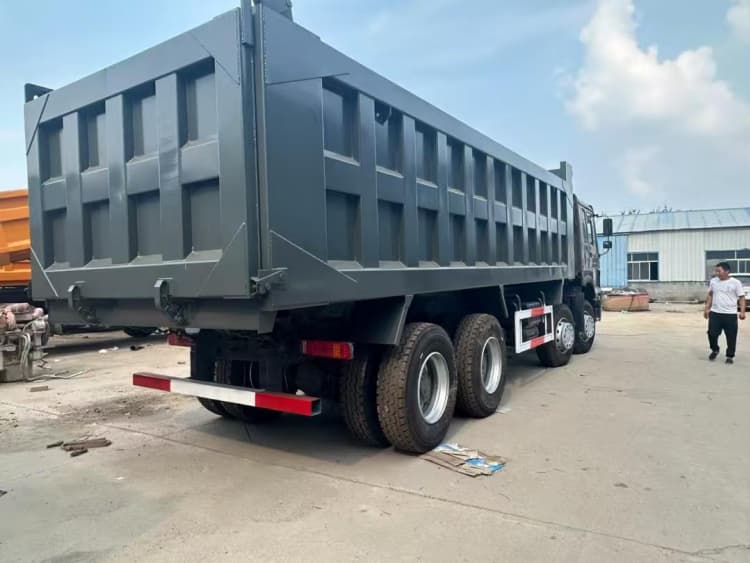
Many emerging infrastructure hubs do not have OEM official service branches on site. Late-model new trucks often require proprietary spare parts that carry high air-freight costs and long waiting periods. The truck platforms used for qualified remanufacturing already have well-established local spare-part networks.
All seals, bearings and friction materials are mandatorily renewed during formal remanufacturing workflow. When maintenance is needed, local mechanics can complete service with readily available stock. This compatibility lowers repair lead times and makes fleet availability easier to maintain in areas with limited industrial support.
Tender and ESG Audit Rules Require Verified, Documented Quality
Governments, multilateral funders and large main contractors increasingly add evaluation clauses for sustainability and supplier accountability. Generic second-hand trucks cannot provide credible proof of condition.
Every REMAN ROAD qualified reman truck comes with serial-numbered traceability records: incoming core checks, NDT inspection results, component replacement logs and final performance test reports. The official quality certificate helps buyers pass port clearance, internal procurement audits and ESG evaluation. Qualified remanufacturing is no longer just an economical pick; it becomes a procurement requirement for tender eligibility.
Phased Renewal Aligns With Cyclical Infrastructure Investment
Infrastructure spending in emerging markets is cyclical. Funding flows in waves, rather than as steady annual capital allocation. Qualified remanufacturing allows gradual, flexible fleet renewal. Buyers can add certified trucks phase by phase, matching expenditure to incoming project payments.
Valid residual value and transferable documentation also support cross-site redeployment or resale between regional operators. This flexible asset rhythm helps finance teams avoid risky large lump-sum purchases during uncertain funding cycles.
Local Circular Economy and Carbon Rules Are Gradually Adopted
Many emerging economies are rolling out national resource-efficiency and low-carbon frameworks for public works. Certified qualified remanufacturing demonstrates measurable embodied carbon reduction by preserving qualified chassis, engine blocks and axle castings.
The auditable formal remanufacturing workflow evidence satisfies disclosure requirements for international funders and sustainability evaluators. As these circular policies spread, qualified remanufacturing gains further preference in public procurement, creating a steady, long-term demand driver.
Conclusion
Emerging infrastructure markets push qualified remanufacturing demand because they combine urgent vehicle needs, tight capital limits, tough site environments and evolving audit rules.
REMAN ROAD qualified reman trucks provide a balanced, auditable fleet solution that new trucks and uncertified used vehicles cannot match. As road, quarry and urban build programmes keep expanding across these regions, standardised, verified reman will remain a core fleet renewal pathway for infrastructure contractors.